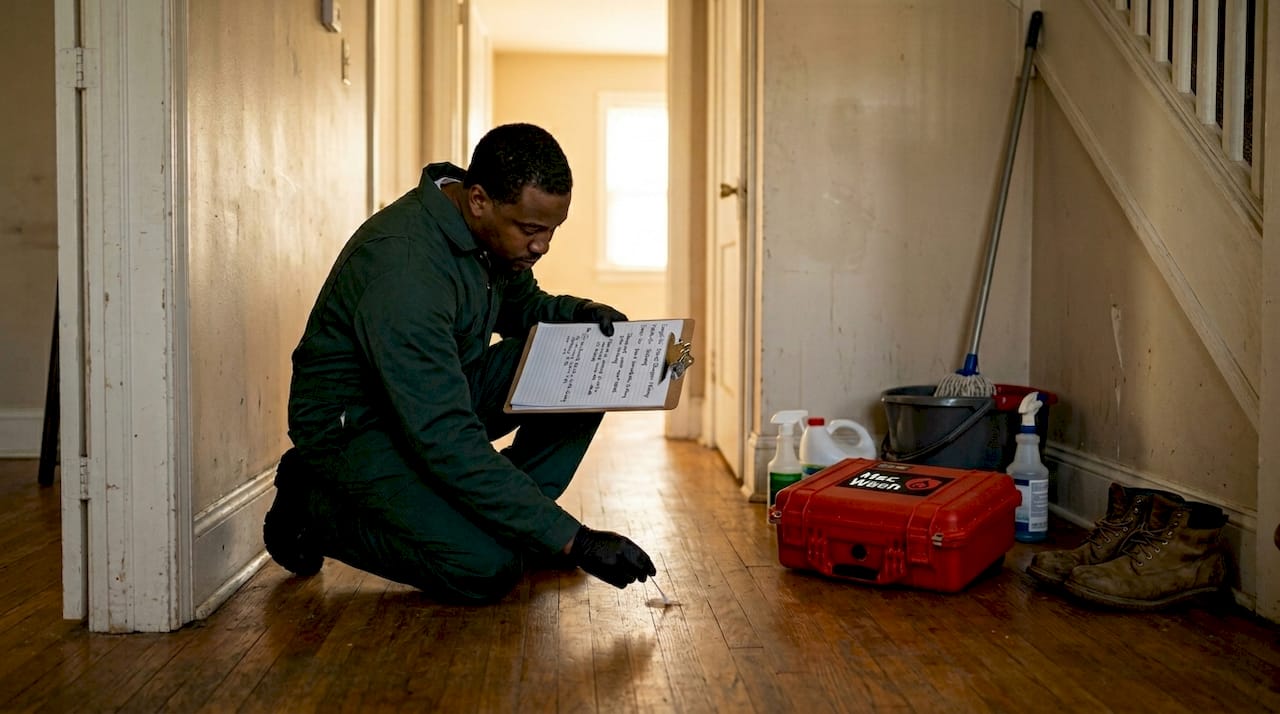
Why 24/7 biohazard response matters for Detroit homeowners
Why 24/7 biohazard response matters for Detroit homeowners
TL;DR:
Delaying biohazard cleanup increases health risks, contaminant spread, and remediation costs in Detroit properties.
Immediate professional response ensures containment, proper disinfection, and legal compliance to protect occupants and property.
Most Detroit homeowners assume biohazard cleanup can wait until morning. That assumption is wrong, and it can cost you significantly more than you expect. Understanding why 24/7 biohazard response is critical is not just about convenience; it is about containing health risks before they spread, meeting legal obligations, and preventing a manageable situation from becoming an expensive, complex remediation project. Delaying cleanup increases exposure risk and can make professional remediation harder and more expensive later. This guide explains exactly why emergency response time matters for your health, your property, and your legal standing.
Table of Contents
Compliance and safety regulations behind 24/7 biohazard cleanup
Professional biohazard cleanup: correct methods and why speed guarantees safety
The health, legal, and financial risks of delayed biohazard cleanup
Common biohazard scenarios needing immediate 24/7 response in Detroit
Why delaying biohazard cleanup often backfires: expert insights from Detroit remediation pros
How Hazwash LLC supports Detroit homeowners with 24/7 biohazard response
Key Takeaways
How biohazards spread and why timing matters
Why 24/7 biohazard response exists comes down to one biological reality: contamination does not wait for business hours. The moment a biohazard event occurs, whether it is a trauma scene, an unattended death, or a significant blood spill, microscopic pathogens begin migrating beyond the visible contamination zone.
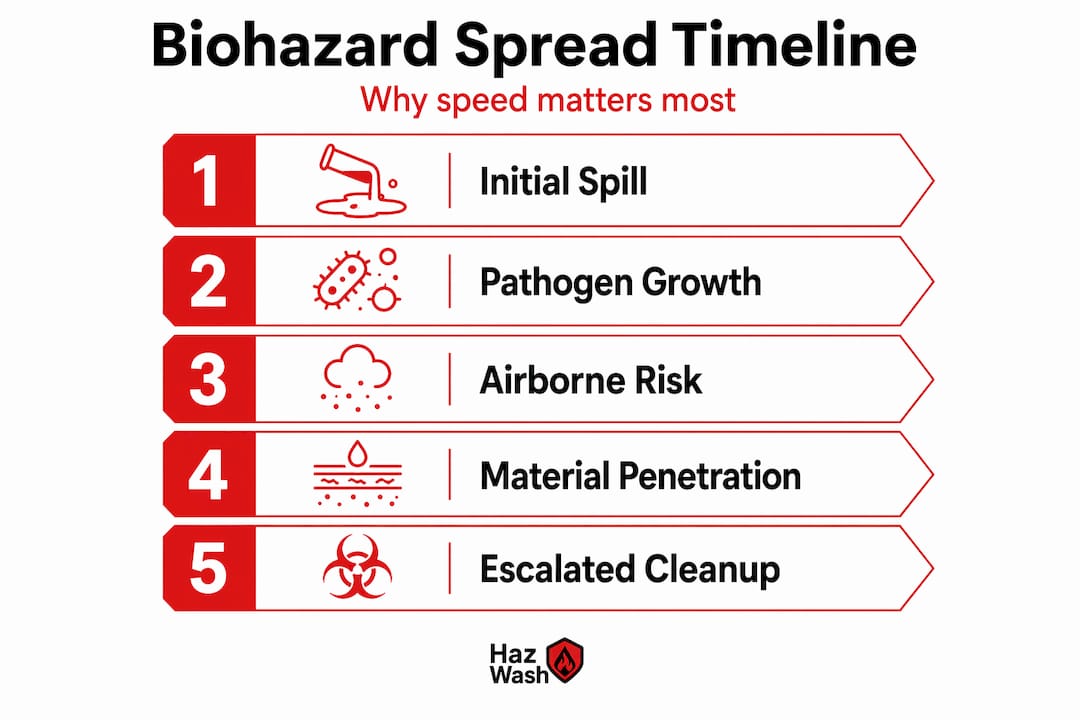
Blood and bodily fluids carry pathogens such as hepatitis B and C, HIV, and MRSA that persist far beyond what you can see with the naked eye. These organisms transfer onto surfaces through touch, airflow, foot traffic, and HVAC circulation. In an occupied property, every hour of delay creates additional exposure pathways.
Here is what happens during an unaddressed biohazard incident:
Porous materials absorb contaminants. Hardwood floors, drywall, grout, and subflooring can absorb blood and fluids within minutes, making surface cleaning alone insufficient.
Airborne particles spread. Dried biological material becomes airborne and distributes through your home’s ventilation system.
Secondary surfaces become contaminated. Doorknobs, light switches, and shared surfaces pick up pathogens from initial foot traffic.
Odors intensify. Decomposition and bacterial activity accelerate quickly, especially in warm conditions typical of Detroit summers.
Cross-contamination reaches unaffected areas. Without proper containment barriers, contamination migrates to rooms far from the original incident.
Understanding how immediate biohazard response protects your household is the first step. Certified technicians establish containment zones, seal off ventilation pathways, and begin controlled decontamination before pathogens have time to migrate.
“The visible contamination at a biohazard scene is rarely the full picture. What you cannot see is often what creates the greatest long-term risk.”
Pro Tip: Never run fans or open windows at a biohazard scene before professional help arrives. Increased airflow accelerates airborne particle distribution and expands the contaminated zone.
Knowing what hazardous incident types require safe biohazard response helps you recognize an emergency the moment it occurs, not hours later when spread has already happened.
Compliance and safety regulations behind 24/7 biohazard cleanup
Understanding contamination risks leads naturally to why safety regulations demand rapid, compliant cleanup procedures. Biohazard cleanup is not informal sanitation. It is a legally governed safety event under federal and state regulation.
OSHA requires engineering controls, PPE, decontamination, and post-exposure evaluation to safeguard workers from bloodborne pathogens during cleanup. For property managers and homeowners, this means that allowing unqualified personnel, including yourself, to address a biohazard scene creates measurable legal liability.
Here is what regulatory compliance at a biohazard scene actually requires:
Proper personal protective equipment. Gloves, respirators, Tyvek suits, and eye protection are mandatory, not optional, for anyone entering a contaminated area.
Engineering controls. Containment barriers and negative air pressure systems prevent contamination from spreading during cleanup.
Regulated waste disposal. Biohazardous material must be packaged, labeled, and transported according to DOT regulations. You cannot place it in standard trash receptacles.
Written decontamination procedures. Professional crews document each step to demonstrate compliance.
Post-exposure evaluation. If exposure occurs during cleanup, OSHA mandates immediate medical follow-up and documentation.
Compliance is not a bureaucratic formality. It is the legal shield that protects you as a property owner from liability after a biohazard incident.
The Detroit biohazard compliant cleanup guide for 2026 outlines specific regulatory checkpoints Detroit properties must meet. Landlords in particular should review the landlord biohazard response guide for Detroit rentals to understand their legal obligations to tenants following any biohazard incident.
When you call a certified, OSHA HAZWOPER-credentialed team at 2 a.m., you are not just getting help with a mess. You are activating a fully documented, legally defensible cleanup process from the moment it begins.
Professional biohazard cleanup: correct methods and why speed guarantees safety
With regulatory context in mind, let us examine the professional methods that make fast cleanup truly effective and safe. Many people assume that bleach and standard cleaning products handle biohazard scenes adequately. They do not, and this misunderstanding is dangerous.
Professionals use EPA-registered hospital-grade disinfectants with specific contact times. Improper methods leave pathogens behind even on surfaces that appear visually clean.
The correct sequence matters as much as the products:
Step 1: Remove visible contamination first. Applying disinfectant directly to blood or organic material inactivates the disinfectant before it can work. Organic matter must be removed before disinfection begins.
Step 2: Apply EPA-registered disinfectant. Hospital-grade formulations target bloodborne pathogens at the molecular level.
Step 3: Maintain required dwell time. Disinfectants must remain wet on the surface for a specific period, often 5 to 10 minutes, to fully eliminate pathogens. Wiping too quickly renders the step ineffective.
Step 4: Dispose of all materials properly. Mops, cloths, and PPE used during cleanup are contaminated and require regulated disposal.
Step 5: Verify with ATP testing. Professional crews use adenosine triphosphate (ATP) testing to confirm surfaces are genuinely decontaminated, not just visually clean.
Pro Tip: Household bleach loses effectiveness rapidly when diluted or mixed incorrectly. Even when prepared properly, it does not penetrate porous materials where pathogens have already migrated.
Understanding what biohazard cleanup professionals really do for you changes how you evaluate this decision. Speed is not just about getting there faster. It is about starting the right procedures before the wrong ones, such as DIY attempts, create additional contamination pathways. Review emergency cleanup best practices for Detroit families to understand what to do and not do before professionals arrive.
The health, legal, and financial risks of delayed biohazard cleanup
Knowing the consequences of delay builds the full case for immediate action. Fast response minimizes long-term health, legal, and financial risks and supports quicker, safer property restoration.
Here is what delayed biohazard cleanup actually costs Detroit homeowners and property managers:
Deeper material penetration. Pathogens migrate into subflooring and wall cavities within hours, turning a surface cleanup into a full demolition and replacement project.
Extended health exposure. Occupants in adjacent areas face prolonged exposure to airborne contaminants and odors.
Odor remediation complexity. Decomposition odors bond chemically with building materials. The longer they sit, the more material must be removed to eliminate them.
Increased legal liability. A property manager who delayed cleanup after a known biohazard incident faces potential legal claims from tenants or visitors who experienced health impacts.
Insurance complications. Many property insurance policies require prompt reporting and remediation after covered incidents. Delay can create grounds for claim denial.
Managing risks of delayed biohazard cleanup in hoarding situations demonstrates how quickly scope and cost escalate. For property managers specifically, odor removal after biohazard incidents in Detroit properties details the extended remediation work that becomes necessary when cleanup is postponed.
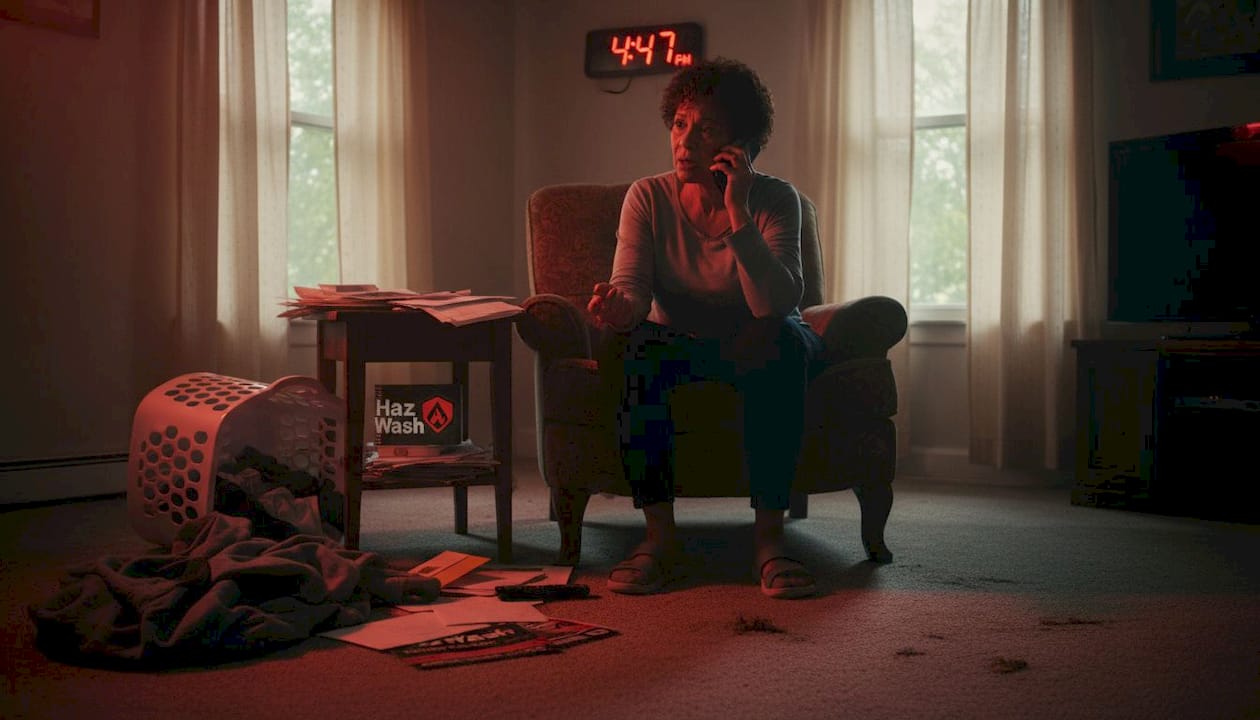
Common biohazard scenarios needing immediate 24/7 response in Detroit
Now that you know what calls for immediate cleanup, understanding the most common scenarios helps you recognize when emergency biohazard services are non-negotiable rather than optional.
Trauma scenes, blood spills, drug lab residues, and occupied high-traffic properties need immediate attention to prevent risks and escalating costs. Detroit properties encounter each of these regularly.
Trauma and unattended death scenes. Blood, bodily fluids, and biological matter carry dangerous bloodborne pathogens. Delay allows these materials to migrate and decompose, creating both health and structural risks.
Fentanyl and methamphetamine lab residues. Drug residues from active or former drug labs require specialized air sampling, containment, and chemical decontamination. Standard cleaning does not address chemical exposure risks.
Occupied rental units with biohazard incidents. High-traffic shared areas accelerate contamination spread. A hallway, stairwell, or shared kitchen affected by a biohazard incident exposes multiple occupants simultaneously.
Vehicles contaminated with biohazardous material. Cars, trucks, and fleet vehicles involved in trauma events require the same regulated cleanup protocols as fixed properties.
Senior living and healthcare residences. Elderly and immunocompromised occupants face dramatically higher health risks from pathogen exposure, making 24/7 emergency cleanup services a genuine safety necessity in these settings.
Detroit landlords should review the biohazard cleaning guide for Detroit landlords for step-by-step guidance on managing these incidents in rental properties. If drug lab exposure is the concern, the guide on how to safely clean a home after drug lab exposure covers the specialized protocols required.
Why delaying biohazard cleanup often backfires: expert insights from Detroit remediation pros
Here is something that surprises most people who contact us after a delayed cleanup: the original incident is rarely the biggest problem by the time we arrive. What creates the most damage, cost, and risk is everything that happened in the hours between the incident and the call.
Microbial migration into porous materials and delayed containment leads to escalating remediation costs and health hazards that were entirely preventable with immediate response. We have responded to incidents where a 6-hour delay turned a two-room cleanup into a subfloor replacement project. That is not exceptional. It is common.
What most people do not realize is that the professional arrival window itself is part of the remediation strategy. When certified technicians arrive quickly, they establish containment that stops secondary spread before it occurs. Arriving at hour 12 instead of hour 1 means working backward through a contamination trail that grew for half a day. More materials affected. More disposal required. More documentation to produce.
DIY attempts create a particular problem. Regulatory safeguards and proper documentation create liability protection that DIY approaches cannot provide. When a property owner attempts cleanup without credentials, without regulated waste disposal, and without post-exposure evaluation records, they forfeit the legal protections that a compliant professional process creates. That gap matters enormously in a liability scenario.
The other reality we want you to hear clearly: waiting does not save money. It costs more. The evidence on immediate biohazard response is consistent. Early professional intervention keeps remediation scope contained, keeps legal exposure minimal, and restores properties faster. Delay does the opposite on every metric.
How Hazwash LLC supports Detroit homeowners with 24/7 biohazard response
With this expert perspective in mind, HazWash LLC is ready to provide the fast, professional response Detroit homeowners and property managers need right now.
When you call HazWash, certified OSHA HAZWOPER and IICRC-credentialed technicians respond 24 hours a day, 7 days a week, including holidays. Every response includes proper containment, EPA-registered disinfection, regulated biohazard waste disposal, and complete documentation for insurance and legal purposes. Our team is trained to handle trauma scenes, unattended deaths, drug lab residues, and all forms of hazardous waste with discretion and care for everyone involved.
Learn more about biohazard cleaning services in Detroit, understand biohazard risk indicators for Michigan property owners, or review Michigan hazardous waste rules for property managers to stay informed and protected. Call HazWash LLC now for immediate dispatch.
Frequently asked questions
Why is a 24/7 biohazard response necessary instead of waiting until business hours?
Waiting is unsafe in urgent situations because pathogens spread and penetrate materials within hours, making early professional action essential to prevent escalation into a larger, more costly remediation project.
What pathogens are commonly present in biohazard scenes requiring urgent cleanup?
Bloodborne materials carry pathogens including hepatitis B and C, HIV, and MRSA, all of which pose serious health risks if not promptly addressed by trained professionals using proper containment and disinfection protocols.
What are the risks of trying to clean biohazards without professional help?
Attempting cleanup without professional help risks spreading contamination further, personal health exposure, and failing to meet OSHA documentation requirements, which creates legal liability for homeowners and property managers alike.
How does proper biohazard cleaning ensure surfaces are truly safe?
EPA-registered hospital-grade disinfectants with proper dwell time eliminate pathogens after organic material is removed first. Household methods skip critical steps and leave invisible contamination behind even on surfaces that appear clean.
What benefits does fast, professional biohazard cleanup bring beyond health safety?
Fast response minimizes health, legal, and financial risks while supporting quicker restoration, reducing odors, and maintaining the regulatory compliance that property managers in Detroit are legally required to uphold.