Why Immediate Biohazard Response Protects Health and Property
Why Immediate Biohazard Response Protects Health and Property
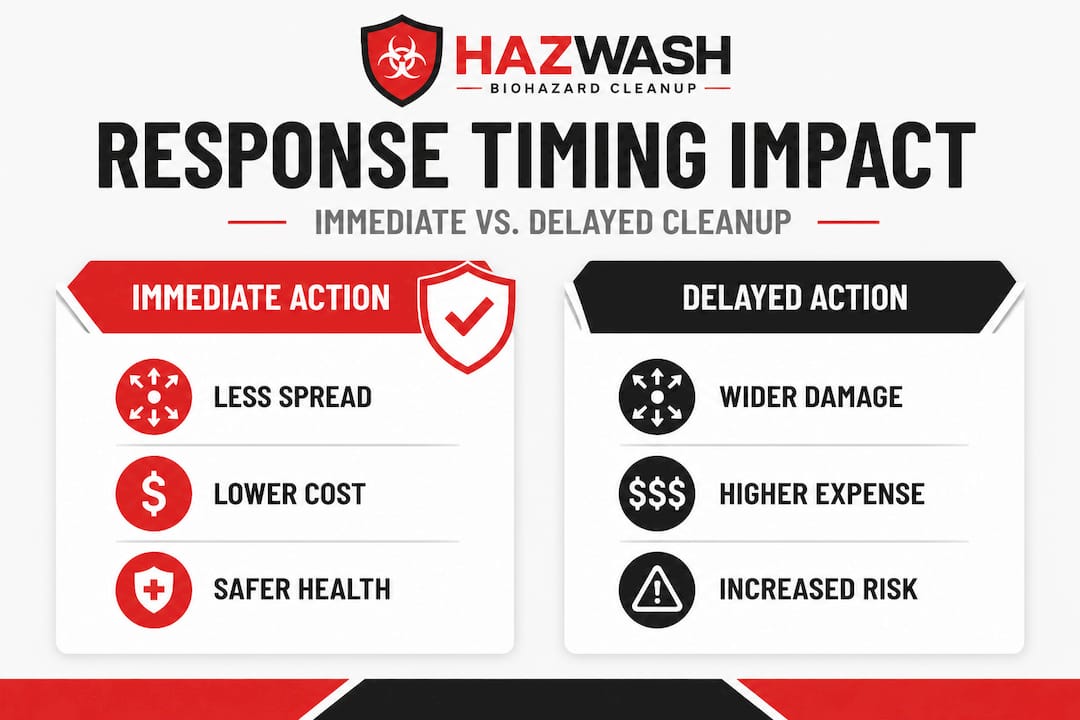
Immediate cleanup limits contamination spread and reduces remediation costs.
Professional biohazard response ensures thorough decontamination and legal compliance.
Delaying cleanup increases health risks, structural damage, and legal liabilities.
When a traumatic or hazardous incident occurs in your home or rental property, the instinct to pause, process, or postpone is completely understandable. But every hour you wait carries a cost that most property owners in Detroit never see coming. Delaying cleanup allows contaminants to seep deep into porous materials, spread through your HVAC system, aerosolize into breathable air, and allow bacteria to multiply rapidly. This guide will walk you through exactly what biohazards are, what delayed response really costs, and how to protect your health, property value, and legal standing.
Table of Contents
The consequences of delay: Property, health, and legal impacts
Professional vs. DIY biohazard cleanup: Why expert response matters
Our view: The real cost of waiting and what Detroit doesn’t realize
Key Takeaways
PointDetailsRapid response is crucialActing quickly contains hazards and minimizes costly property and health damage.Delay increases risksWaiting allows contamination to spread to air, surfaces, and neighboring areas.Professional help is essentialCertified experts prevent exposure and meet legal requirements for proper cleanup.Local Detroit rules applyProperty owners must follow city and state protocols to avoid fines and achieve clearance.
Understanding biohazards and immediate risks
A biohazard is any biological substance that poses a threat to human health. In a residential setting, that means blood, bodily fluids, human tissue, fecal matter, or any material contaminated with infectious pathogens. These are not minor messes that household cleaners can resolve.
In Detroit homes and rental units, biohazard situations arise from a range of incidents, including:
Traumatic accidents or violence involving blood and tissue
Unattended deaths, where decomposition may have begun before discovery
Hoarding situations that include animal waste, rotting food, and biological buildup
Sewage backups introducing fecal pathogens throughout living spaces
Industrial or chemical spills that overlap with biological contamination
The moment contamination occurs, the clock starts. Bacteria like Staphylococcus aureus and bloodborne pathogens such as Hepatitis B and HIV can survive on surfaces for hours to days depending on conditions. When materials like carpet, drywall, or subflooring absorb biological fluids, the contamination goes beneath the surface. Standard cleaning products do not reach these layers.
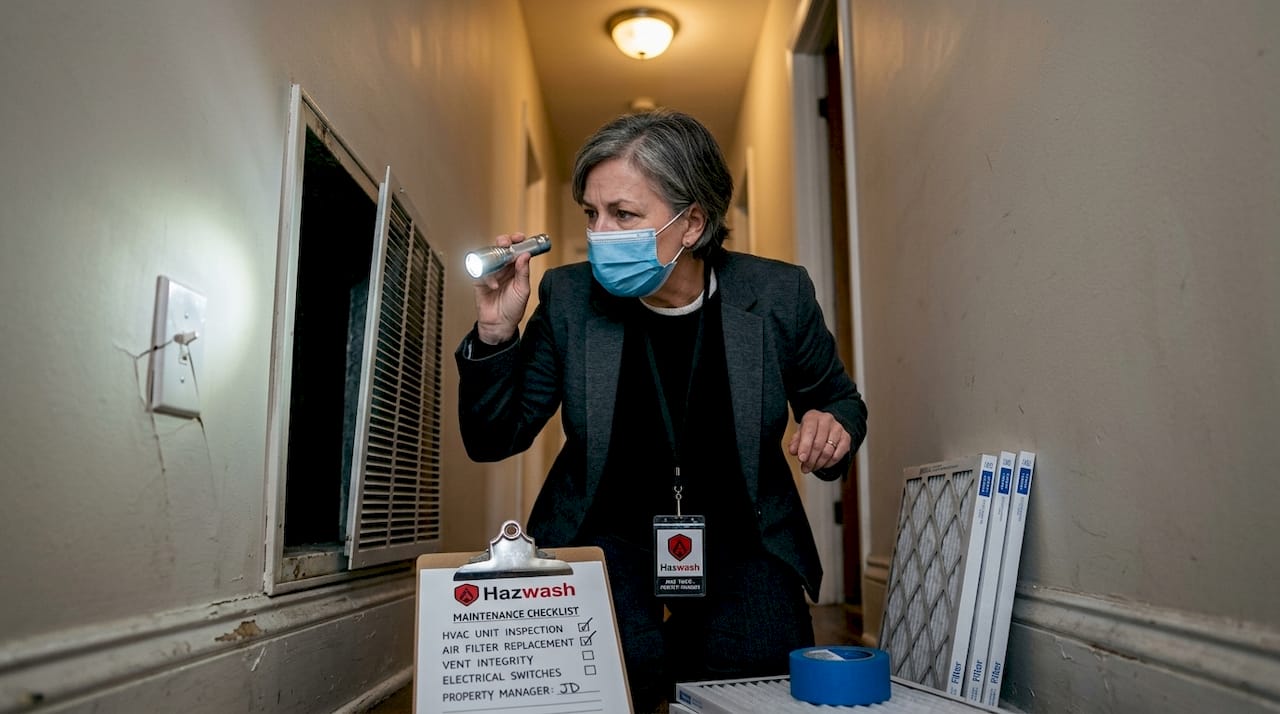
Reviewing emergency cleanup best practices for Detroit families makes one thing clear: containment in the first few hours is the single most important factor in limiting the scope of remediation. HVAC systems are a particular concern. Air circulation can carry aerosolized particles from the contamination site into adjacent rooms and floors, expanding the affected zone without any visible sign of spread.
The hazardous incident types that require immediate response share one common thread: the contamination does not stay where it started.
FactorImmediate response (within hours)Delayed response (24 hours or more)Surface contaminationContained to source areaSpreads to adjacent surfaces and materialsHVAC involvementLow riskHigh risk, cross-room spread likelyPathogen viabilityManageable, isolatableMultiplied, airborne risk elevatedStructural damageMinimal or noneSubfloor, drywall, framing affectedRemediation costSignificantly lowerSubstantially higher, full removal likelyLegal and insurance standingStrongPotentially compromised
This comparison is not theoretical. It reflects the real outcomes seen across biohazard remediation cases in Metro Detroit. Contamination does not plateau and wait for a convenient time to deal with it.
The consequences of delay: Property, health, and legal impacts
The scope of what happens when cleanup is postponed extends well beyond visible staining or odor. The damage unfolds in distinct phases, and each hour adds another layer of consequence.
Here is a general timeline of contamination spread:
0 to 2 hours: Fluids absorb into porous materials. Bacteria begin replicating.
2 to 6 hours: Contamination penetrates deeper into flooring and wall materials. Odor begins developing.
6 to 24 hours: Bacterial colonies are fully established. HVAC and ventilation systems begin circulating aerosolized particles.
24 to 72 hours: Structural materials may require full removal. Mold spores begin developing in saturated areas. The cost of remediation increases significantly.
Beyond 72 hours: Full structural remediation is often unavoidable. Legal exposure for the property owner increases. Health risks to occupants or workers entering the space are severe.
“Biohazard contamination does not behave like ordinary dirt. It grows, migrates, and becomes embedded in your property’s structure. Every hour of delay is a decision that costs more to reverse.”
Understanding the dangers of delayed cleanup is especially important for landlords managing multiple properties. A single unaddressed incident can lead to tenant health claims, code violations, and city-ordered remediation at the landlord’s expense.
Health hazard escalation is the most urgent concern. Airborne pathogens from decomposing biological material can cause serious respiratory illness. Bloodborne pathogens that dry and flake from surfaces become inhalable. People who enter the space without proper personal protective equipment (PPE) are at real risk of exposure to Hepatitis B, Hepatitis C, MRSA, and other infectious agents.
Legally, the stakes are equally serious. Michigan property law and Detroit municipal ordinances require that known health hazards be remediated promptly. Failure to act can result in code violation fines, civil liability from affected tenants, or orders to vacate the property. The landlord biohazard response guide for Detroit rentals outlines these obligations clearly.
When it comes to biohazard remediation risks, all authoritative sources align on one point: immediate professional response is the legally and medically sound choice.
Pro Tip: Contact your insurance carrier as soon as you become aware of a biohazard situation. Many homeowner and landlord policies include coverage for biohazard remediation, but insurers often require prompt notification. Waiting to clean up or waiting to file can trigger a denial based on failure to mitigate damages. Document everything with photographs and timestamps before the scene is altered.
Professional vs. DIY biohazard cleanup: Why expert response matters
Household cleaners, bleach, and rubber gloves are not biohazard remediation tools. The gap between DIY (do it yourself) cleanup and professional remediation is not a matter of effort. It is a matter of equipment, training, testing, and legal authority.
Certified biohazard technicians operate under IICRC S540, the industry standard specifically developed for trauma and crime scene cleanup. This standard governs how technicians assess, contain, clean, decontaminate, and verify each job. It is the same framework that biohazard remediation industry standards professionals are trained and tested on before they ever enter a contamination scene.
What professional cleanup includes that DIY cannot match:
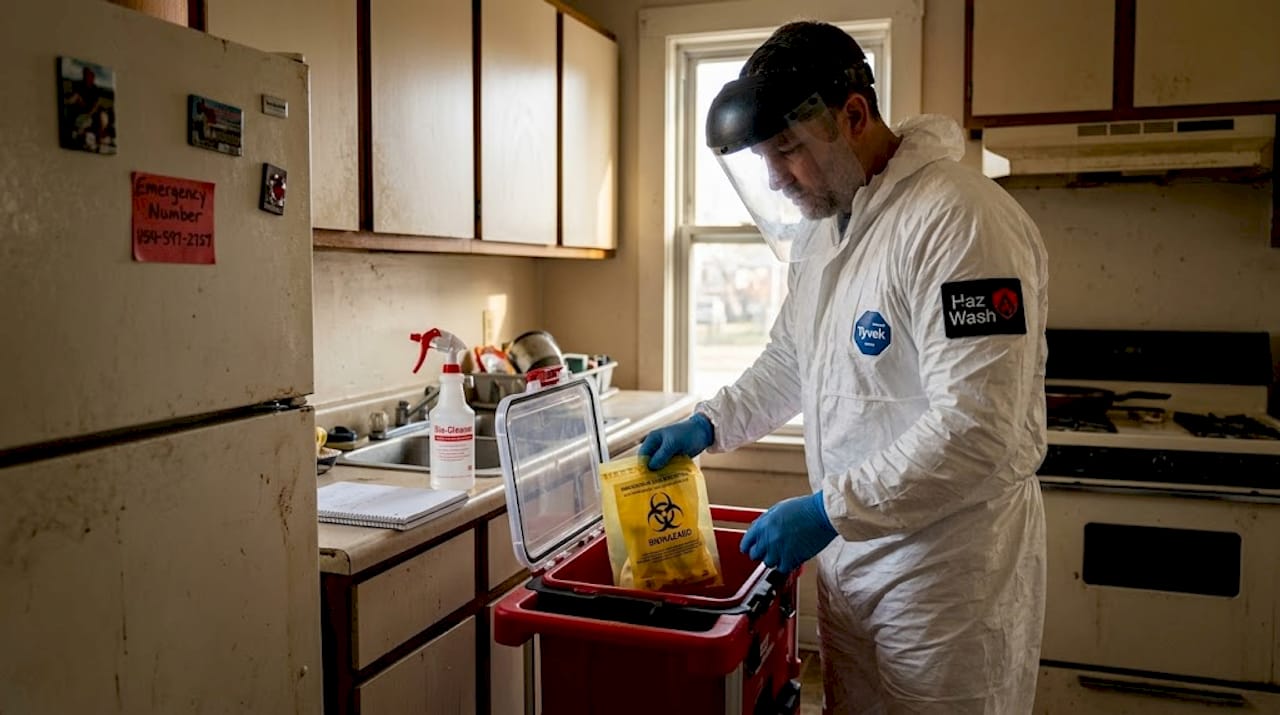
Full personal protective equipment including respirators, Tyvek suits, and chemical-resistant gloves
ATP (adenosine triphosphate) surface testing to detect contamination not visible to the eye
Hospital-grade EPA-registered disinfectants appropriate for specific pathogens
HEPA (high-efficiency particulate air) filtration and air scrubbing to address airborne contaminants
Proper disposal of biohazardous waste in certified containers, transported per DOT (Department of Transportation) regulations
Verification testing before issuing a clearance certificate confirming the property is safe for occupancy
Following a professional cleanup guide for Detroit landlords illustrates the full scope of what certified remediation actually involves. It is a structured, documented process, not a surface wipe-down.
The risks of attempting DIY cleanup go beyond personal safety. Improper handling of biohazardous waste is a federal violation. Disposing of contaminated materials in regular trash or down a drain carries fines under EPA and OSHA regulations. If a subsequent occupant of the property experiences health problems, a property owner who performed or authorized inadequate DIY cleanup faces significant civil liability.
Pro Tip: Even if the contamination looks limited to one area, it rarely is. Professionals use moisture meters, UV lighting, and chemical testing to detect contamination that has traveled into walls, beneath floors, or into HVAC ducting. A clean-looking surface is not a safe surface until it has been tested. Relying on sight and smell alone is one of the most common and costly mistakes property owners make.
Reviewing OSHA-compliant cleanup requirements for Michigan properties confirms that certified response is the only pathway to documented legal compliance.
How to ensure a rapid, compliant response in Detroit
Detroit property owners are governed by both Michigan state regulations and city ordinances when it comes to hazardous and biohazardous incidents. Acting quickly and correctly protects you legally and financially.
Step-by-step compliance checklist for Detroit property owners:
Secure the scene immediately. Restrict access to the contaminated area to prevent exposure and further spread. Do not allow unauthorized entry.
Contact certified professionals without delay. Look for IICRC, OSHA HAZWOPER, and DOT-certified providers. Confirm 24/7 availability.
Notify your insurance carrier. Provide initial documentation, including photos and timestamps, before remediation begins.
Allow professionals to conduct a full assessment. Do not remove, clean, or move any contaminated material before the assessment is complete.
Request a written remediation plan. This document should outline scope, procedures, waste disposal methods, and verification testing steps.
Ensure proper waste manifests are completed. Michigan requires documented chain of custody for biohazardous waste from point of pickup through final disposal.
Obtain a written clearance certificate. This document confirms the property meets habitability standards and is essential for insurance claims, future rental agreements, and legal protection.
Understanding Detroit biohazard protocols in full ensures you do not inadvertently create a legal gap in your response. A missed step in documentation can be as damaging as a missed step in cleaning.
Reviewing Michigan disposal regulations for property owners clarifies the specific state requirements for how contaminated materials must be packaged, labeled, transported, and disposed of. These are not optional guidelines. They are enforceable laws.
Key facts about compliance Detroit property owners often miss:
Michigan classifies human blood and bodily fluids as regulated medical waste, subject to MDEQ (Michigan Department of Environment, Great Lakes, and Energy) disposal requirements
Detroit building code requires notification for structural damage resulting from biohazard incidents
Landlords who fail to disclose known contamination to future tenants face civil liability under Michigan tenant protection statutes
Professional response is the only way to generate the legal documentation that satisfies both insurance and regulatory requirements
Our view: The real cost of waiting and what Detroit doesn’t realize
Here is something we have seen play out too many times to dismiss: property owners rationalize delay because the situation feels manageable. Maybe the affected area looks small. Maybe they assume it can wait until morning, or until they sort out the insurance, or until a family member can help.
That reasoning is understandable. It is also consistently wrong.
What we have learned from responding to incidents across Detroit is that contamination does not respect a homeowner’s timeline. The biohazard risk indicators that seem minor at first look very different 48 hours later. A contained blood spill becomes a subfloor replacement. A small odor becomes a structural remediation. A manageable situation becomes a property that cannot legally be occupied.
We have also seen the pattern of over-reassurance. Families or landlords will attempt surface cleaning and believe they have resolved the problem. They cannot see what has traveled into the wall cavity or settled into the carpet pad beneath the visible layer. Six months later, they are dealing with persistent odor, mold growth, or a tenant health complaint that traces back directly to the undertreated scene.
Our position is this: in biohazard remediation, doing more than appears necessary is always the right call. Testing an extra zone costs far less than remediating a zone that was missed. Issuing a clearance certificate that covers the full property is far more valuable than a verbal assurance. Every property owner we have worked with who pushed for thoroughness has never regretted it. Every owner who tried to limit scope to save time or money has almost always had to come back.
Detroit deserves to know this plainly, without softening it. A single missed area can mean your property fails future inspection. It can mean a tenant becomes ill. It can mean a lawsuit that far exceeds the cost of a proper initial cleanup. The real cost of waiting is always higher than the cost of acting now.
Detroit’s trusted help for immediate biohazard response
If you are facing a biohazard situation right now, the time to act is today, not after you have processed the shock or waited to see if it gets worse. HazWash LLC provides certified, rapid-response biohazard cleanup across Detroit and surrounding areas, available 24 hours a day, every day of the year.
Our team holds OSHA HAZWOPER, IICRC, and DOT certifications, and every job is handled with complete discretion. Whether you are dealing with a trauma scene, unattended death, hoarding situation, or any other hazardous incident, we provide full documentation for insurance and regulatory compliance. Review our federal compliance hazardous cleanup guide for Michigan property owners to understand exactly what coverage and documentation you need. If you require emergency suicide cleanup services or other trauma response, our team is trained to handle every aspect with care and professionalism. Contact HazWash LLC now to protect your property, your tenants, and your legal standing.
Frequently asked questions
How quickly should a biohazard in my home be addressed?
Biohazard cleanup should begin within hours of an incident, as contaminants spread rapidly into porous materials and HVAC systems, making containment far more difficult with each passing hour.
What risks do I face if I try to clean biohazards myself?
DIY cleanup exposes you to infectious diseases, produces incomplete decontamination, and can result in federal fines for improper biohazardous waste disposal. All authoritative sources on biohazard cleanup risks agree that only certified professionals should handle these scenes.
Are there legal requirements for cleaning up biohazards in Detroit?
Yes. Detroit and Michigan enforce strict requirements for certified cleanup, documented waste disposal, and property clearance. IICRC S540 standards and state MDEQ regulations govern what constitutes a legally compliant remediation.
Does insurance cover the cost of professional biohazard cleanup?
Many homeowner and landlord policies include biohazard remediation coverage, but delayed action or failure to notify your carrier promptly can give the insurer grounds to deny your claim based on failure to mitigate.
How do professionals certify a property is safe after cleanup?
Certified technicians follow IICRC S540 protocols and conduct verification testing using ATP surface sampling and air quality monitoring before issuing a written clearance certificate confirming the property meets habitability standards.