The Steps to Clean a Home After Drug Lab Contamination
After a drug lab is shut down, it can leave behind serious risks no matter how clean the place might look on the surface. Dangerous residue lingers in walls, floors, vents, and even the air. What is out of sight can still affect anyone living or working there. These hazards do not go away with simple wiping or fresh paint.
That is where hazardous materials cleanup becomes necessary. This is not a regular cleanup. Cleaning requires careful steps, proper safety gear, and trained hands to make sure the area is truly safe again. At Hazwash LLC, these sites are handled by IICRC certified trauma and crime scene technicians who are also OSHA HAZWOPER 40 trained to work hazardous scenes across Metro Detroit. Regular cleaning methods will not reach hidden chemicals or leftover waste, and trying to handle it without help could do more harm than good.
Securing and Assessing the Area
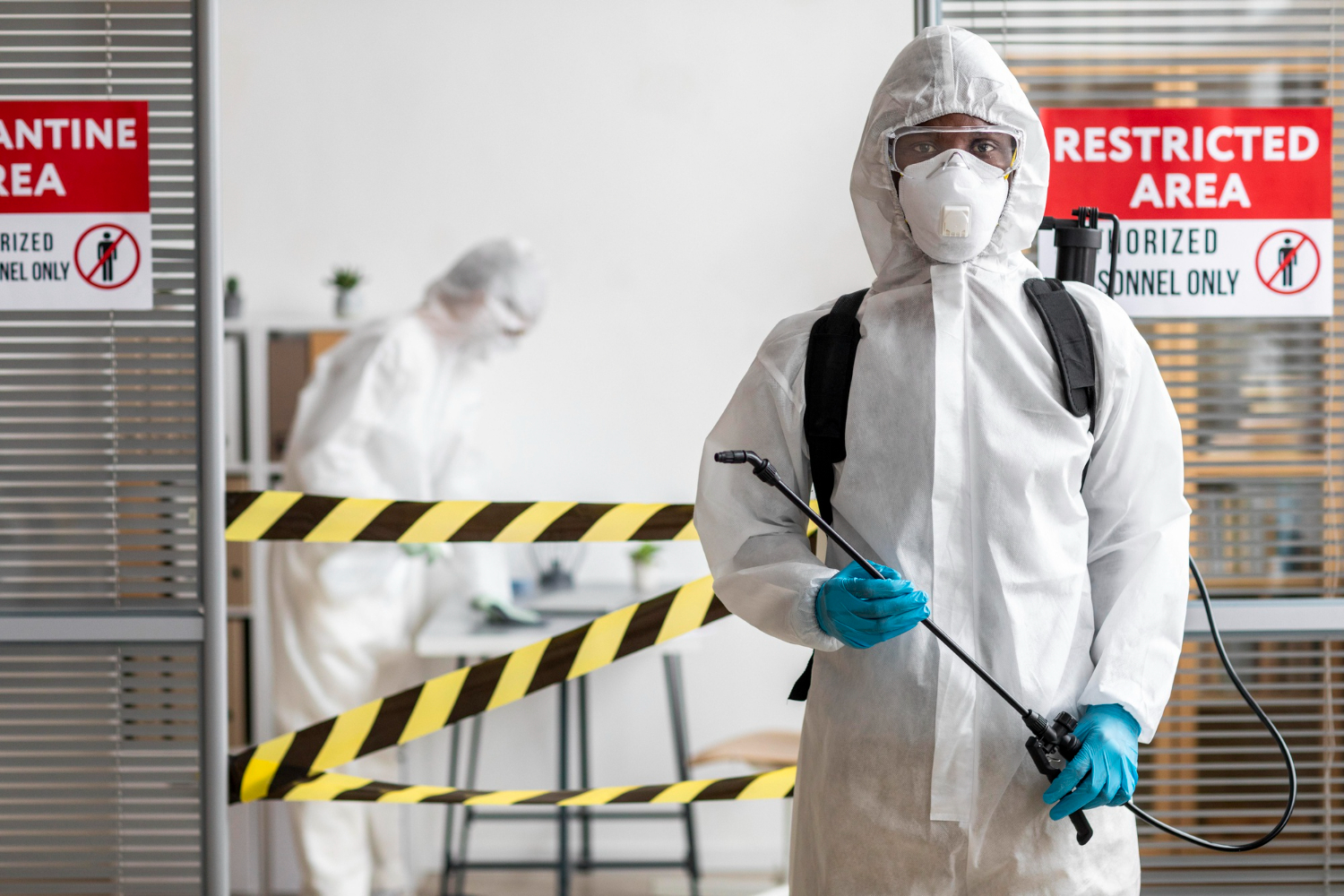
Before anything gets cleaned, the first step is keeping the area sealed and secure. This is not a place anyone should walk into without protection. Certified crews wear full protective gear and follow strict safety rules from the second they arrive.
Every part of the site gets checked. That means looking for visible damage but also inspecting hidden pockets where danger might still hide. Some of the most common trouble spots include:
Walls that absorbed toxic chemicals from past activity
Floors and carpets where waste or drugs were stored
Vents and pipes that carry contamination through the house
Drug labs often use strong and unsafe chemicals. Those fumes can stick around long after the space looks empty, so checking air quality is just as important as cleaning what is visible.
Chemical Neutralization: The Critical First Step
One of the most dangerous misconceptions is that standard cleaning agents make a site safe. In reality, many common cleaners will not make substances like fentanyl safe to touch.
Before any cleaning or removal of materials begins, we must neutralize the surfaces with specialized chemicals. This process deactivates the drugs, ensuring they are no longer active or harmful to the touch. By neutralizing the site first, we prevent the accidental "reactivation" or spread of potent synthetic opioids and corrosive meth byproducts during the physical scrubbing phase.
Removing Contaminated Materials
Once it is clear which areas were affected, the next step is clearing out anything porous or too damaged to save. Furniture, upholstery, flooring, and drywall often need to go. These materials can hold onto drug residue, human waste, and strong odors.
There may also be serious biohazards in the home such as feces, urine, or blood. In many labs, people cook drugs alongside everyday items, causing waste to spread in ways most people would not expect. That is when specialized handling becomes key.
Michigan winters add another challenge. In February, doors and windows stay shut, and frozen air limits ventilation. That traps odors inside and can lead to higher exposure if the cleanup is slow or incomplete. Even with heaters running, the bad air does not go anywhere until the deep work is done. Hazwash LLC is fully licensed with U.S. DOT hazmat and Motor Carrier authority to package and transport contaminated materials off-site so that drug related debris and hazardous waste leave the property the right way.
Deep Cleaning Structural Surfaces
After removing what is damaged or unsalvageable, the focus shifts to cleaning every structural surface left behind. This includes walls, ceilings, floors, and any hard materials that can be washed safely and sealed after treatment.
Industrial cleaning methods are used for every inch of exposed structure. The trickiest parts are usually the spots you cannot see or reach without effort. That includes:
Ductwork that carried contaminated air
Ceiling boards that soaked in chemical fumes
Subfloors under carpets or tile
Even when these areas look fine at first, they may hold onto unsafe material deep beneath the surface. Regular cleaning tools and over-the-counter sprays do not remove drug chemicals or human waste that seeped in. Skipping this step often leads to recurring smells or unsafe living conditions.
Odor Neutralization and Air Scrubbing
Once the surfaces are clean, it is time to clear the air. Lingering smells are common in former drug labs. Strong odors can be a sign that toxic particles are still in the air. Air scrubbers, ozone machines, and other odor-removal tools are used to break down those smells at a molecular level.
This part of the process is important in tight winter months. In February, homes stay closed up to keep heat in, which means air circulation is low. Without fresh air coming in, chemical smells settle deeper into rooms and HVAC systems.
The goal is not just to improve the smell left behind. It is about removing the particles that cause it. That process often overlaps with work like feces and urine cleanup, where smells signal deeper contamination. By treating the air and locking down odors at their source, the home feels livable again.
Testing, Verification, and Preparing the Home for Use
Once all cleaning steps are done, no one should guess whether it is safe. Final testing provides clear answers. Air quality, surface residue, and any treated areas are checked.
These are things checked before a home is considered cleared:
Low or no chemical vapors based on test samples
Safe levels on all cleaned surfaces
No signs of mold, bacteria, or hidden biohazards
Detailed records show the work completed and the results of the testing. That paperwork is useful in future repairs, insurance claims, or property transfers. Once the home is cleared and legally documented, new steps like repair or renovation can happen without running into surprises later.
Restoring Peace of Mind After a Dangerous Cleanup
Cleaning up after a drug lab is not something to take lightly. Each step is about safety and health, and making sure nothing is left behind to cause future problems. The mix of chemicals, waste, and airborne toxins can leave damage for years if not handled properly.
When the process is performed correctly, a home can be safe again. The air smells clean. Surfaces test clear. Families or property owners do not have to question whether it is okay to use the space. No leftover smell, no hidden residue, and nothing stops people from moving forward.
Hazwash LLC follows strict hazardous materials cleanup guidelines to handle every step carefully, from the first locked door to final clearance. When it is done right, you will notice the difference.
Handling a space exposed to drug activity requires more than cleaning the surface, since chemical residue, strong odors, and hidden waste can persist long after the lab is gone. At Hazwash LLC, a step-by-step process is used so every area is treated with care and safety. Learn how every aspect of proper hazardous materials cleanup is managed, including air testing and safe disposal, and call anytime to discuss your next steps.