Landlord biohazard response guide: safe cleanup for Detroit rentals
Landlord biohazard response guide: safe cleanup for Detroit rentals
TL;DR:
- Detroit landlords often encounter biohazard scenes requiring specialized cleanup and legal compliance.
- Proper preparation, documentation, and quick response are crucial to minimize health risks and legal liabilities.
- Using certified professionals ensures thorough remediation, regulatory adherence, and reduces future legal and financial risks.
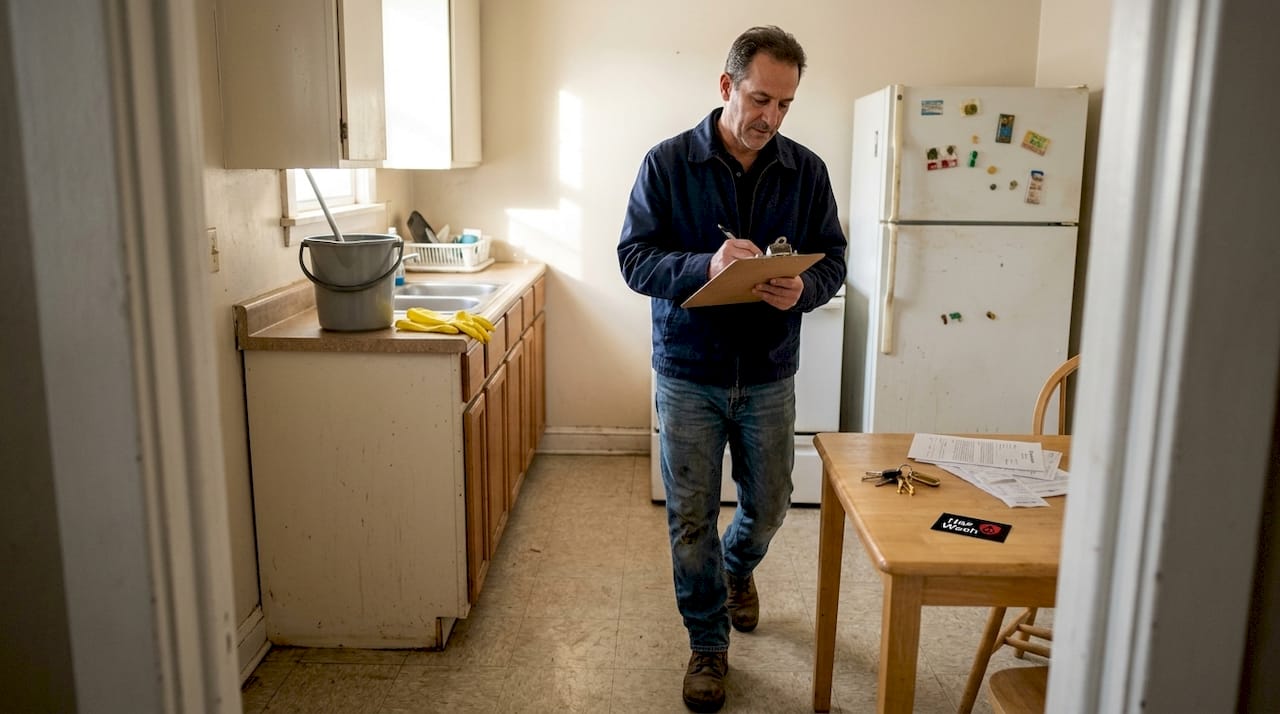
A tenant stops paying rent. You send someone to check. What they find is not a vacant unit but an unattended death, a meth residue problem, or a hoarding scene with biological waste soaked into the subfloor. Detroit landlords face these situations more often than the industry acknowledges, and the cost of a slow or uninformed response is steep. Improper cleanup can trigger uninhabitability claims, lawsuits, and fines under Michigan law. This guide walks you through every step: legal obligations, scene preparation, remediation, and post-cleanup verification so you can protect your property, your tenants, and yourself.
Table of Contents
- Understanding biohazard incidents in Detroit rentals
- Essential preparation: What to do before cleanup begins
- Biohazard cleanup process: Steps for landlords
- Verification, documentation, and risk reduction
- The real lessons most landlords learn the hard way
- Get expert help for Detroit biohazard incidents
- Frequently asked questions
Key Takeaways
| Point | Details |
|---|---|
| Know the law | Detroit landlords must remediate biohazards fully and comply with state waste disposal and disclosure rules. |
| Act fast | Immediate response avoids costly damage and secondary contamination to property and HVAC systems. |
| Document everything | Keep thorough records and manifests for all cleaning, disposal, and vendor actions to shield from liability. |
| Prevention pays off | Routine inspections and a pre-approved vendor list reduce risk of biohazard incidents and legal trouble. |
Understanding biohazard incidents in Detroit rentals
Not every mess in a rental unit is a biohazard. But when biological material is involved, the rules change entirely. A biohazard is any substance that poses a threat to human health through exposure to pathogens, toxic residues, or contaminated organic matter. In rental properties, that typically means blood, bodily fluids, decomposition material, drug lab residue, or waste from extreme hoarding conditions.
Detroit landlords encounter a specific range of incidents more frequently than landlords in suburban markets. Here are the most common scenarios:
- Unattended deaths: Decomposition begins within hours and fluids penetrate porous surfaces fast.
- Crime scene aftermath: Blood spatter and tissue require specialized removal after police release the scene.
- Meth or drug lab contamination: Toxic chemical residue coats walls, vents, and fixtures.
- Hoarding with biological waste: Accumulated waste, rodent activity, and bodily fluids create layered contamination.
- Sewage backups with pathogen exposure: Less dramatic but equally hazardous.
Understanding your biohazard risk indicators before an incident occurs is one of the most practical steps you can take as a property owner.
Incident type comparison
| Incident type | Primary risk | Landlord legal duty |
|---|---|---|
| Unattended death | Pathogen exposure, structural damage | Remediate to habitable standard |
| Crime scene | Bloodborne pathogens | Remediate after police release |
| Drug/meth lab | Chemical toxicity | Disclose and remediate per state law |
| Hoarding with fluids | Multi-pathogen exposure | Remediate, possible EGLE oversight |
| Sewage backup | Bacterial contamination | Restore habitability promptly |
Michigan law does not require landlords to disclose a death or homicide in a rental unit. However, drug contamination must be disclosed, and failure to remediate properly exposes you to lawsuits, fines, and uninhabitability claims. Understanding your legal liabilities for biohazard incidents before a crisis hits is essential.
Legal reminder: Michigan’s medical waste rules require proper handling and transport documentation for regulated biological waste. Non-compliance is not just a health risk. It is a legal one.
With the stakes and legal standards clear, let’s focus on what you need to tackle a biohazard scene safely and legally.
Essential preparation: What to do before cleanup begins
The first 60 minutes after discovering a biohazard incident are the most important. Decisions made in that window determine whether you protect your property or compound the damage. Acting fast matters, but acting correctly matters more.
Immediate steps to take:
- Secure the unit. Lock the door and restrict access to anyone without proper PPE.
- Notify authorities if the incident involves a death, crime, or suspected drug manufacturing.
- Document everything before touching anything. Photos, written descriptions, timestamps.
- Shut down the HVAC system immediately to prevent airborne contamination from spreading.
- Contact your insurance carrier and a certified biohazard remediation vendor.
Preparation checklist
| Item | Purpose |
|---|---|
| Nitrile gloves (heavy duty) | Barrier protection from pathogens |
| N95 or P100 respirator | Airborne contaminant protection |
| Tyvek coverall suit | Full body barrier |
| Eye protection/face shield | Splash protection |
| Incident report form | Legal documentation |
| Vendor emergency contact list | Rapid professional response |
| Insurance policy number | Claims initiation |
Documentation and chain of custody are not formalities. They are your legal protection. If a future tenant or attorney questions whether the unit was properly remediated, your timestamped photos and signed vendor reports are the difference between a dismissed claim and a costly lawsuit.
Common prep mistakes to avoid:
- Leaving the HVAC running during or after discovery
- Contacting the affected tenant directly before consulting legal counsel
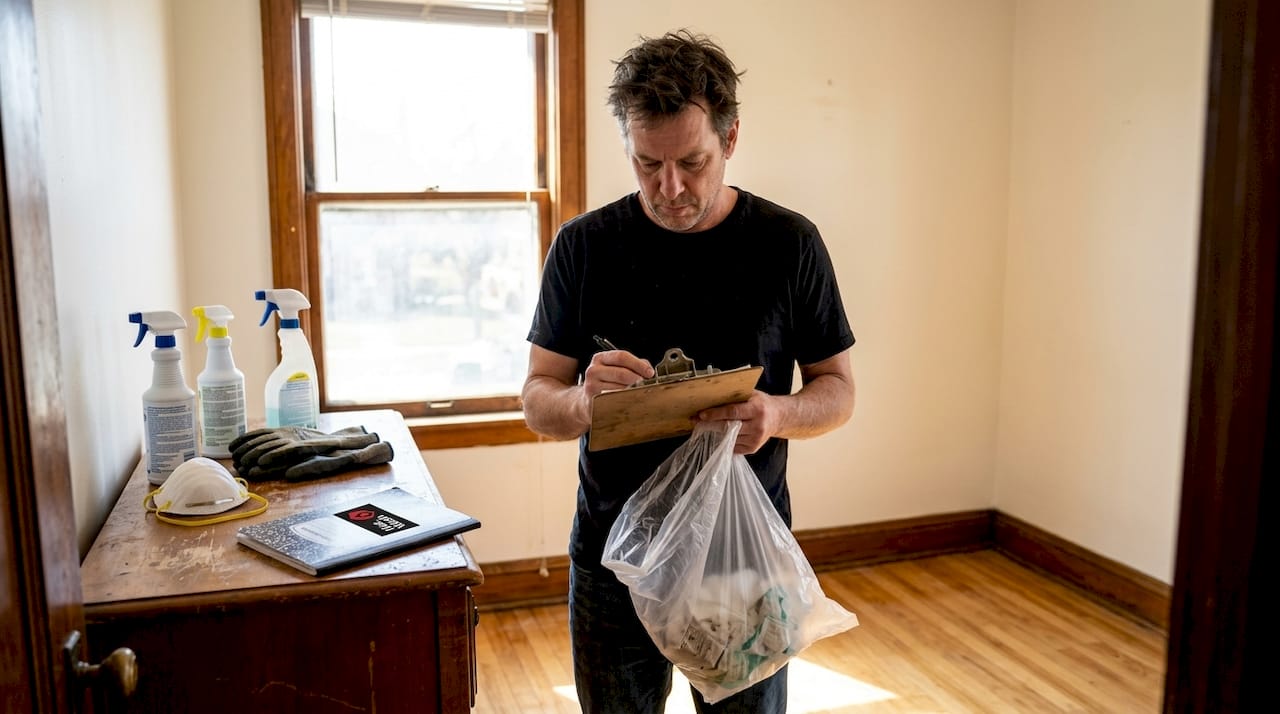
- Entering the scene without full PPE
- Attempting surface cleaning before assessing the full scope of contamination
- Discarding materials before documenting them
The Michigan LLTBB Benchbook notes that while no single Michigan statute addresses landlord biohazard response specifically, habitability and waste laws enforce the same duties. Developing a step-by-step cleaning procedure in advance puts you ahead of nearly every other landlord in your market.
Pro Tip: Build a vendor roster now, before you need it. Keep your preferred biohazard remediation company’s 24/7 number, your insurance contact, and your compliance documentation in a single file. Store it digitally and in the property management office.
Once you’ve assessed the situation and gathered the right resources, you’re ready to proceed with safe cleanup.
Biohazard cleanup process: Steps for landlords
Biohazard remediation is not standard cleaning. The process follows a specific sequence designed to protect workers, prevent cross-contamination, and meet regulatory standards. Here is how it works in practice.
- Isolate the affected area. Seal doorways with plastic sheeting. Prevent foot traffic in and out.
- Ventilate safely. Open windows if the space allows. Do not use fans that recirculate air internally.
- Remove contaminated materials. Porous items like carpet, drywall, mattresses, and subfloor sections often cannot be cleaned. They must be removed and disposed of properly.
- Deep clean and disinfect all surfaces. Use EPA-registered disinfectants rated for bloodborne pathogens. Follow contact time requirements on the label.
- Address HVAC and hidden cavities. Fluids and odors travel. Ductwork, wall cavities, and subfloors require inspection and treatment.
- Verify remediation. ATP testing or air quality sampling confirms contamination levels are within safe limits.
- Restore the property. Replace removed materials, repaint, and document the completed restoration.
Warning: Decomposition fluids seep into subfloors and HVAC systems within 24 to 48 hours of an unattended death. Surface cleaning alone will not resolve the contamination. Full material removal is required. Hoarding scenes may also require EGLE-certified handling of accumulated biological waste.
For regulated biological waste, you must use state-approved transporters and complete the required medical waste manifests for every load removed from the property. Missing paperwork creates liability even if the physical cleanup was thorough.
Pro Tip: Always use state-approved transporters for regulated waste and document every stage of removal with photos, manifest numbers, and signed vendor reports. This paper trail protects you if the cleanup is ever challenged in court.
For guidance on post-cleanup odor removal steps and safe disposal in Detroit, review those resources before you close out any remediation project.
With cleanup complete, landlords must ensure the property is truly safe and fully compliant prior to re-letting.
Verification, documentation, and risk reduction
Finishing the physical cleanup is not the finish line. Verification is what separates a legally defensible remediation from one that creates future exposure. Skipping this step is one of the most expensive mistakes Detroit landlords make.
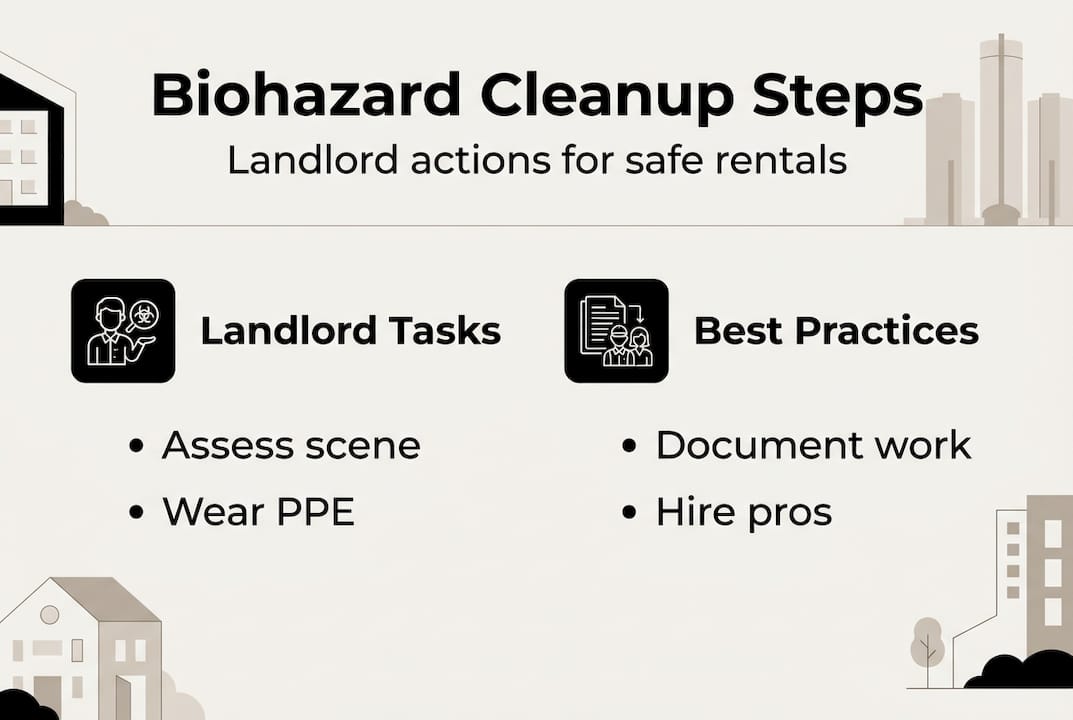
Post-cleanup verification checklist:
- Visual inspection of all treated surfaces and removed material areas
- ATP swab testing or third-party air quality sampling
- Signed completion certificate from your remediation vendor
- Copies of all waste transport manifests per Michigan’s Part 138 medical waste rules
- Updated incident report filed with your insurance carrier
- Written confirmation that the unit meets remediation legal standards before re-occupancy
Self-cleaning vs. professional remediation
| Factor | Self-cleanup | Professional remediation |
|---|---|---|
| Pathogen removal | Incomplete, high risk | Verified, documented |
| Legal liability | High | Significantly reduced |
| Insurance acceptance | Often denied | Supported with documentation |
| Time to re-let | Slower, uncertain | Faster, certified |
| Regulatory compliance | Difficult to confirm | Built into the process |
Ongoing risk reduction is just as important as incident response. Here is what experienced Detroit landlords do consistently:
- Install security cameras at entry points to deter unauthorized activity
- Schedule quarterly property inspections with written reports
- Update your vendor roster and compliance documents every six months
- Screen tenants thoroughly, including criminal and eviction history
- Know what consequences of skipping cleanup look like before you are facing them
If verification is skipped and a future tenant becomes ill or discovers residual contamination, you face potential personal injury claims, habitability lawsuits, and regulatory fines. The documentation you create today is the protection you rely on years from now.
Finally, let’s challenge some common landlord assumptions and share what seasoned Detroit owners have learned through hard experience.
The real lessons most landlords learn the hard way
Most landlord guides focus entirely on reaction. What to do after the incident. But the landlords who handle these situations best are the ones who prepared months before anything went wrong.
Prevention genuinely outperforms reaction. Thorough tenant screening, quarterly walkthroughs, and a pre-built vendor list reduce both the frequency and the cost of biohazard incidents. The landlords who skip these steps are the ones calling us in a panic at 2 a.m.
The two most costly mistakes we see are delayed action and incomplete documentation. Waiting even 24 hours after an unattended death is discovered dramatically increases remediation costs and structural damage. And incomplete paperwork turns a resolved incident into an open legal liability.
Here is the insight that most guides miss: the best remediation is the one that leaves no trace. Tenants who move into a properly restored unit never know an incident occurred. That is the standard to hold your vendor to.
Pro Tip: Set a calendar reminder every six months to review your step-by-step biohazard guide, update your vendor contacts, and verify your compliance documents are current.
Get expert help for Detroit biohazard incidents
Handling a biohazard incident correctly requires more than a checklist. It requires certified professionals who understand Michigan’s waste transport rules, OSHA HAZWOPER standards, and the documentation your insurance carrier will demand.
HazWash LLC provides 24/7 biohazard cleanup for Detroit landlords and property managers. Our team handles everything from scene assessment to waste transport manifests to final certification. We work discreetly, comply with all state and federal regulations, and give you the documentation you need to re-let with confidence. Explore biohazard risk indicators in Michigan and learn about safe biohazard response types to stay prepared. When you need immediate help, the Detroit biohazard cleaning experts at HazWash are ready.
Frequently asked questions
What qualifies as a biohazard event in a Detroit rental property?
Biohazard events include crime scenes, unattended deaths, bodily fluids, hoarding conditions with biological waste, and drug contamination. Any of these requires proper assessment and regulated cleanup procedures.
What are a landlord’s legal obligations for cleaning biohazards in Michigan?
Landlords must fully remediate biohazards and disclose drug contamination to prospective tenants. Failure to remediate properly can result in fines, uninhabitability claims, or personal injury lawsuits.
What risks are there if I delay or skip proper cleanup?
Decomposition fluids penetrate subfloors and HVAC systems within 24 to 48 hours, making remediation far more expensive. Delayed action also increases your legal exposure significantly.
Can a landlord perform biohazard cleanup themselves?
Landlords can handle minor situations but must follow all safety and waste disposal laws. For deaths, drug contamination, or large-scale scenes, professional EGLE-certified handling is strongly recommended to ensure compliance and limit liability.