Why use certified cleanup services in Detroit
Why use certified cleanup services in Detroit
TL;DR:
Using certified cleanup services ensures biohazardous materials are safely handled, properly disposed of, and thoroughly remediated to prevent health risks. Uncertified efforts risk legal fines, biological hazards, and substandard restoration, which can jeopardize insurance claims and occupant safety. Hiring credentialed professionals guarantees compliance, quality, and comprehensive documentation essential for lawful and effective property recovery.
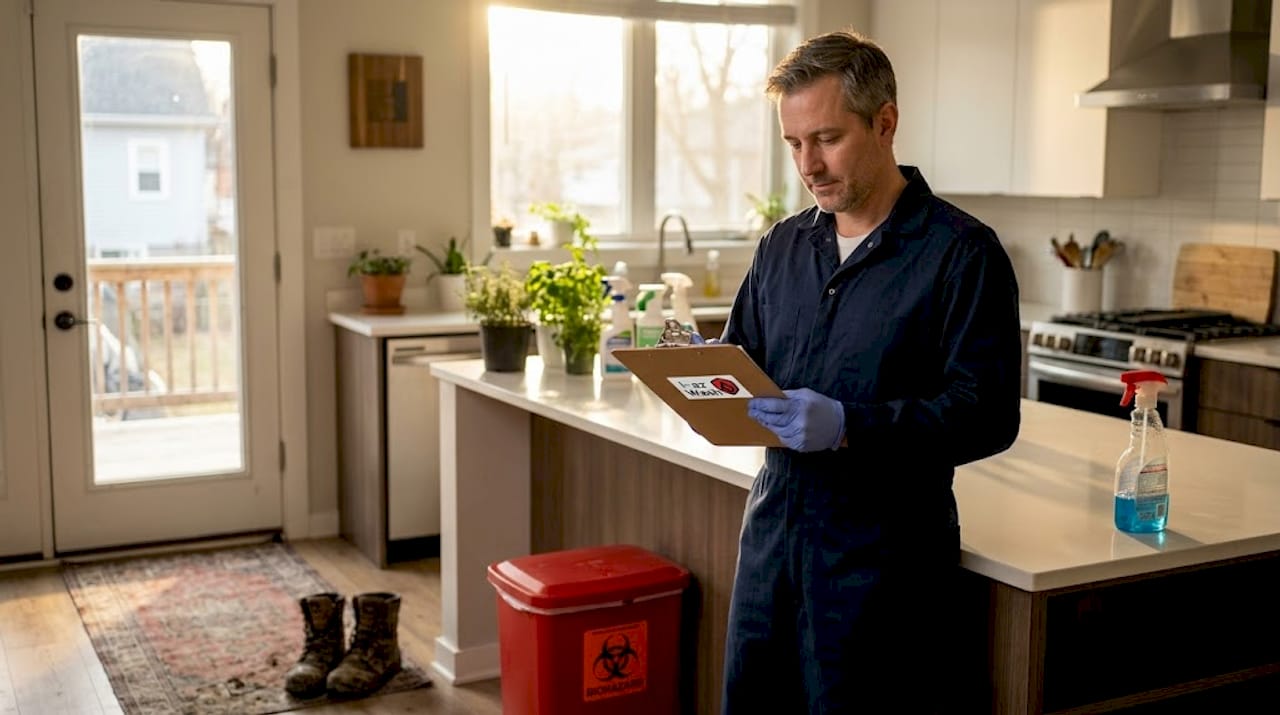
When something traumatic happens in a home or rental property, the instinct is often to clean up fast and move on. Many families and landlords assume that a general cleaning crew or even a thorough DIY effort will be enough. That instinct is understandable, but it is also dangerous. Knowing why use certified cleanup services matters is not a legal technicality — it is the difference between a fully restored, safe property and one that harbors invisible biological hazards for months. This guide walks you through what certification actually means, what the risks of skipping it are, and how to make the right call for your property and the people in it.
Table of Contents
Understanding certified cleanup services and their regulatory requirements
How certification improves restoration quality and insurance outcomes
Why certified cleanup services are the only safe bet for Detroit properties
Key Takeaways
Understanding certified cleanup services and their regulatory requirements
Certified cleanup services are companies whose technicians hold recognized credentials for handling biohazardous materials safely and legally. This is not the same as a licensed general contractor or a commercial cleaning company. The certifications that matter here include OSHA HAZWOPER (Hazardous Waste Operations and Emergency Response), IICRC (Institute of Inspection, Cleaning and Restoration Certification), and DOT compliance for the transport of hazardous waste.
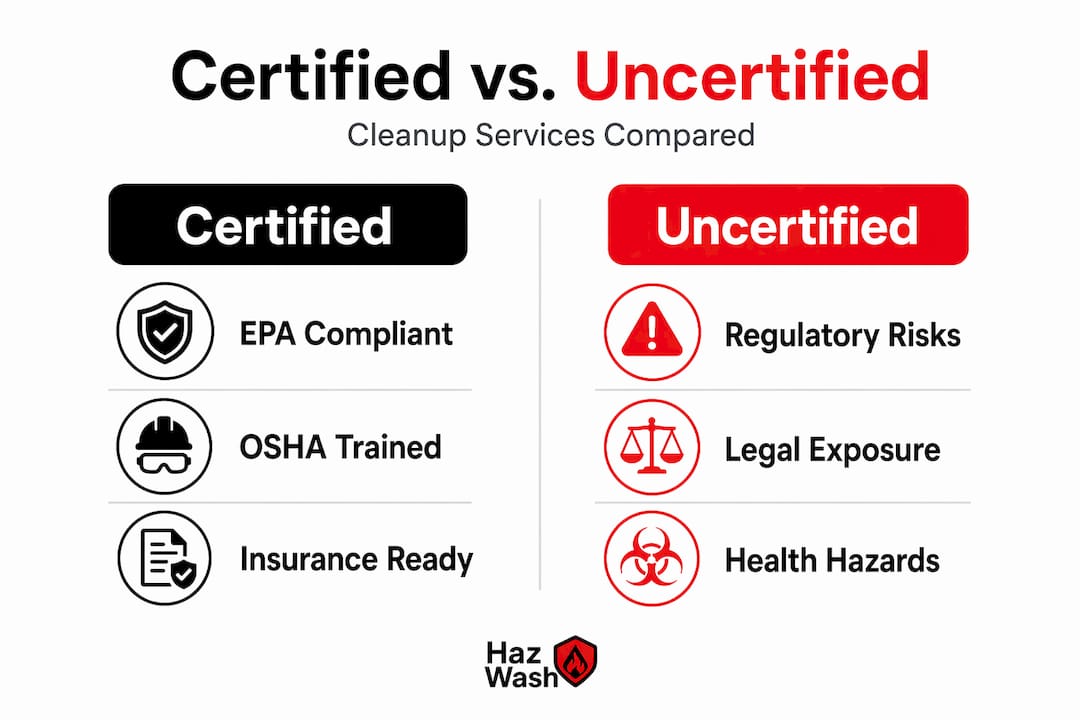
The regulatory landscape governing this work is layered and demanding. Biohazard waste management is governed by federal frameworks including EPA, OSHA, and CDC guidance, with state rules layered on top requiring compliant lifecycle steps. In Michigan, that means every stage of waste handling is regulated.
Those stages include:
Identification and containment of biohazardous materials on site
Personal protective equipment (PPE) protocols for all workers
Treatment of waste using approved disinfection and decontamination methods
Packaging and labeling of biohazardous waste for transport
Transportation under DOT regulations with proper manifests
Disposal at licensed medical waste or hazardous waste facilities
Surface cleaning, the kind a general crew performs, addresses none of the steps beyond the first. Bloodborne pathogens, including HIV, Hepatitis B, and Hepatitis C, can survive on porous surfaces for days and on non-porous surfaces for weeks. You can explore how certified technicians handle the full scope in detail through biohazard cleanup processes.
The health and legal risks of uncertified cleanup attempts
Understanding the regulatory complexity helps highlight the serious risks when uncertified cleanup methods are used. The dangers fall into two categories: physical health and legal liability.
On the health side, the risks are direct and documented. Bloodborne pathogens are not visible to the naked eye. A surface that looks clean after a trauma scene event may still carry infectious agents. Workers without proper training and PPE face exposure. So do future occupants.
On the legal side, the risks are just as serious for landlords and property managers. OSHA regulations apply to anyone directing workers to perform biohazardous cleanup, even informally. Bloodborne pathogens training is required annually under OSHA standards, which uncertified companies often lack, increasing risk of exposure to infectious agents.
The most common legal and health consequences of uncertified cleanup include:
Regulatory fines from OSHA or the Michigan Department of Environment, Great Lakes, and Energy (EGLE) for improper waste handling
Liability exposure if a tenant or visitor becomes ill from a property that was not properly decontaminated
Insurance claim denials when documentation of proper cleanup is absent
Cross-contamination spreading biohazardous material to adjacent units or HVAC systems
Failed remediation where odors and biological residue return weeks after cleanup
The financial exposure alone is significant. A regulatory fine for improper biohazardous waste disposal in Michigan can reach thousands of dollars per violation. Reviewing OSHA cleanup compliance requirements for Michigan properties can help you understand what is expected.
“The damage from an uncertified cleanup is often invisible until it becomes a liability. By then, the cost to remediate a second time and manage the legal fallout far exceeds what a certified service would have cost initially.”
Pro Tip: If a cleanup company cannot show you their OSHA HAZWOPER certification, a current biohazardous waste transporter license, and proof of liability insurance before work begins, that is a clear signal to look elsewhere.
How certification improves restoration quality and insurance outcomes
With the risks clear, it helps to understand how certification actively improves outcomes, not just prevents problems. The advantages of certified cleanup go beyond safety compliance. They extend to the quality of the physical restoration and your ability to recover costs through insurance.
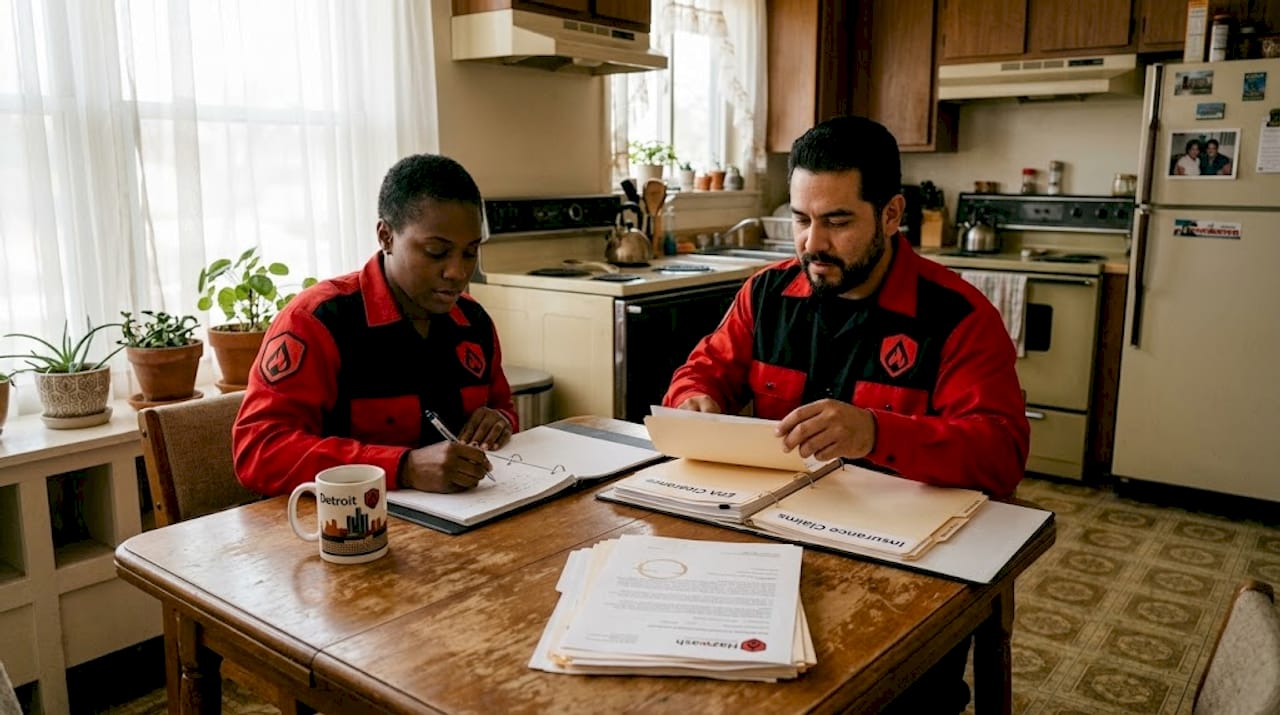
IICRC-certified technicians follow standards that reduce costly mistakes, secondary damage, and improve documentation for insurance claims. IICRC standards cover moisture assessment, structural drying, odor neutralization, and surface decontamination. These are not optional best practices. They are the benchmarks that insurance adjusters look for when reviewing claims.
Key restoration quality benefits of hiring certified professionals include:
Thorough damage assessment using moisture meters and thermal imaging to find hidden contamination
Controlled odor elimination using hydroxyl generators and ozone treatment rather than masking agents
Structural evaluation to identify materials requiring removal versus those that can be restored
Documented chain of custody for all biohazardous waste removed from the property
Here is a direct comparison of certified versus uncertified cleanup outcomes:
For a detailed look at what certified remediation looks like on a property, the biohazard cleaning step-by-step guide for Detroit landlords is worth reviewing.
Choosing the right certified cleanup service in Detroit
Now that the benefits of certification are clear, the next step is knowing how to evaluate providers. Not all companies that advertise biohazard cleanup services hold the credentials that matter. Knowing exactly what to verify protects you from hiring an underqualified crew under pressure.
Key certifications and credentials to verify before hiring:
OSHA HAZWOPER certification for all technicians working on site
IICRC accreditation for restoration work
DOT compliance for hazardous material transport
Michigan EGLE compliance for state-specific disposal requirements
General liability and workers’ compensation insurance, both active and verified
When vetting a company, ask direct questions. Per guidance on choosing a cleanup company, you should check for OSHA compliance, IICRC accreditation, and local health department approvals to ensure safety protocols and regulatory standards are met.
Questions worth asking any candidate provider:
Can you show current certifications for all technicians assigned to my job?
How do you document waste removal and disposal, and will I receive copies?
Do you carry liability insurance, and what does it cover?
Have you handled similar cleanup situations in residential or rental properties?
What is your process for working discreetly and minimizing disruption to tenants?
Experience with residential and rental properties specifically matters. Commercial biohazard work follows different protocols than a trauma scene in a family home or a multi-unit building where neighboring tenants are present. The emergency cleanup best practices resource for Detroit families covers what to prioritize in urgent situations.
Pro Tip: Ask for references from property managers or landlords specifically. A company experienced with rental properties understands the urgency, the need for discretion, and the documentation requirements that landlords face when dealing with insurers or regulatory bodies.
What to expect during and after certified cleanup services
Understanding how to choose a service leads naturally to knowing what the certified cleanup experience actually involves. Knowing the process in advance helps you ask better questions and set realistic expectations for yourself, your tenants, and your property.
A standard certified biohazard cleanup follows this sequence:
Initial assessment where technicians evaluate the scene, identify contaminants, and determine the scope of work before anyone enters without full PPE
Containment setup including physical barriers and negative air pressure where needed to prevent cross-contamination
Biohazard removal of all contaminated materials, including items that cannot be decontaminated and must be disposed of
Disinfection and decontamination using EPA-registered disinfectants appropriate for the specific biohazards present
Odor neutralization using treatment methods that address the source, not just the surface
Clearance testing to verify the area meets health and safety standards before re-entry
Documentation delivery including waste manifests, clearance reports, and records of disposal
That last step is one clients often overlook until they need it. Compliant biohazard cleanup includes treatment, transport, disposal, and detailed waste manifests, which clients receive as proof of regulatory adherence. That documentation is what you present to your insurer, your property regulator, or a prospective tenant asking for confirmation of a prior incident’s remediation.
“Documentation is not just paperwork. It is the evidence that protects you legally, supports your insurance claim, and gives future occupants confidence that the space is genuinely safe.”
After cleanup is complete, a reputable certified provider will also offer follow-up services for structural repairs and final restoration, returning the property to a condition that is both visually and biologically clear. Detailed guidance on what records to keep is available through hazardous cleanup documentation resources for Detroit property owners.
Why certified cleanup services are the only safe bet for Detroit properties
After years in this industry, one thing stands out clearly: the property owners who try to minimize costs by hiring uncertified cleanup crews almost always end up spending more. Not slightly more. Often dramatically more, once you add regulatory fines, failed insurance claims, repeat remediation, and in some cases, tenant legal action.
The misconception is that certification is a premium you pay for when you can afford it. The reality is that certification is the baseline for doing this work safely and legally at all. Biohazard waste must be managed across its full lifecycle to prevent regulatory and safety failures, not just for appearance improvement. A property that looks clean but is not decontaminated is not a restored property. It is a liability waiting to surface.
Detroit’s regulatory environment adds specific pressure. EGLE enforcement, OSHA regional inspections, and property code requirements create a compliance burden that certified services are built to address. Uncertified crews are not. The difference is not philosophical. It shows up in documentation, in test results, and in whether your insurance company pays out or pushes back.
There is also a human dimension to this that deserves plain language. Families dealing with a death, a trauma event, or a violent incident in their home are not in a position to research regulations. They need a provider they can trust completely. Certification is what makes that trust warranted rather than just hoped for. Responding immediately is equally important, and the reasons behind immediate biohazard response are grounded in both health science and property protection.
Choosing certified cleanup services is not cautious or overcautious. It is the only decision that fully protects your family, your tenants, and your investment.
Trusted certified biohazard cleanup services in Detroit
When a traumatic or hazardous incident occurs at your property, you need a response that is fast, discreet, and fully compliant. HazWash LLC provides certified biohazard cleaning in Detroit backed by OSHA HAZWOPER, IICRC, and DOT credentials. Our technicians handle trauma scene restoration, blood and pathogen cleanup, hoarding remediation, and hazardous waste removal for families, landlords, and property managers throughout the Detroit metro area.
We deliver complete waste manifests, clearance documentation, and insurance support records with every job. Our 24/7 emergency response means you are never waiting when the situation is urgent. If you are assessing risk at a Michigan property, the biohazard risk indicators resource can help you determine whether certified intervention is needed. For guidance on managing safe, compliant cleanup in Detroit, our team is available around the clock. Contact HazWash LLC to speak directly with a certified technician.
Frequently asked questions
Why is certification important for biohazard cleanup services?
Certification ensures cleanup follows regulatory standards for safety, proper waste disposal, and worker training, reducing health and legal risks. Biohazard waste management is governed by federal frameworks including EPA, OSHA, and CDC guidance, with state rules requiring compliant lifecycle steps at every stage.
What risks do uncertified cleanup services pose to families and landlords?
Uncertified services may lack proper training and protocols, leading to exposure to infectious agents, legal liabilities, and incomplete restoration. Bloodborne pathogens training is required annually under OSHA, which uncertified companies often do not have, increasing the risk of infectious agent exposure for workers and occupants alike.
How does certification affect insurance claims for property damage?
Certified professionals provide thorough documentation and follow industry standards, helping to expedite claim approvals and reduce disputes. IICRC-certified technicians follow standards that reduce costly mistakes, secondary damage, and produce the documentation insurance adjusters require.
What certifications should Detroit property owners look for in a cleanup company?
Look for OSHA compliance, IICRC accreditation, and local health department approvals to ensure safe, legal, and effective cleanup services. Per industry guidance on choosing a cleanup company, verifying these credentials before work begins is a non-negotiable step.
What documentation should I receive after a certified cleanup?
You should receive waste manifests, treatment records, and detailed reports confirming regulatory compliance and thorough cleanup. Compliant biohazard cleanup always includes treatment, transport, disposal records, and detailed waste manifests delivered to the client as proof of adherence.