Why Choose Licensed Biohazard Cleaners for Your Home
Why Choose Licensed Biohazard Cleaners for Your Home
TL;DR:
Choosing licensed biohazard cleaners is essential to ensure proper safety protocols, legal disposal, and effective disinfection in hazardous situations. Unlicensed cleanup increases health risks, legal liabilities, and the chance of incomplete decontamination. Always verify certifications and documentation before selecting a professional biohazard remediation service.
When a biohazard incident happens in your home, the instinct is often to clean it up yourself and move on. That response is understandable. It’s also one of the most dangerous choices you can make. Understanding why choose licensed biohazard cleaners is not about following rules for the sake of it. It’s about protecting your health, your family, and your legal standing when the stakes are highest. This guide breaks down what licensing actually means in this industry, what separates professional cleanup from DIY attempts, and how to make a confident, informed decision when you need help most.
Table of Contents
Key Takeaways
What biohazard cleanup actually involves
Many people picture biohazard cleanup as intensive scrubbing. The reality is far more technical and carries real health consequences if done incorrectly.
A biohazard is any biological material that poses a threat to human health. In a residential context, that includes blood, bodily fluids, human tissue, and pathogens carried within them. It also extends to chemical exposures in certain situations. The scenarios that require professional biohazard cleaners are more common than most families realize:
Unattended deaths, where decomposition has occurred
Trauma scenes involving injury or violence
Crime scenes with blood or bodily fluid contamination
Sewage backups carrying fecal pathogens
Hoarding situations with mold, pest waste, and biohazardous accumulation
Suicides and accident scenes
Each of these situations involves pathogens that survive on surfaces for hours, days, or even weeks after the initial event. Hepatitis B, for example, can remain infectious on a dry surface for up to seven days. Standard household cleaners do not eliminate these threats. They may reduce visible contamination while leaving the biological hazard fully intact.
The legal dimension is equally serious. Improper cleanup of a biohazard scene can expose you to regulatory violations, especially when contaminated materials are disposed of improperly. In many states, biohazardous waste cannot legally go into standard trash or sewage systems. Understanding this upfront is what positions licensed biohazard remediation as a necessity, not a luxury.
The role of licensing and certification
Licensing in the biohazard cleaning industry is tied directly to federal and state regulatory frameworks. It is not a marketing badge. It reflects documented training, compliance obligations, and accountability that unlicensed operators simply do not carry.
The most foundational standard is OSHA’s Bloodborne Pathogens standard (29 CFR 1910.1030), which mandates that workers potentially exposed to blood or other infectious materials use engineering controls, personal protective equipment, and follow written exposure control plans. Any company that does not comply with this standard during biohazard cleanup is operating illegally and putting both their workers and your household at risk.
Beyond OSHA compliance, credentialing matters. The IICRC S540 standard for trauma and crime scene remediation and credentials from the American Bio Recovery Association (ABRA) represent structured training and compliance that go well beyond the legal minimums. These certifications cover exposure control planning, disinfectant selection, and regulated waste handling with documented chain-of-custody.
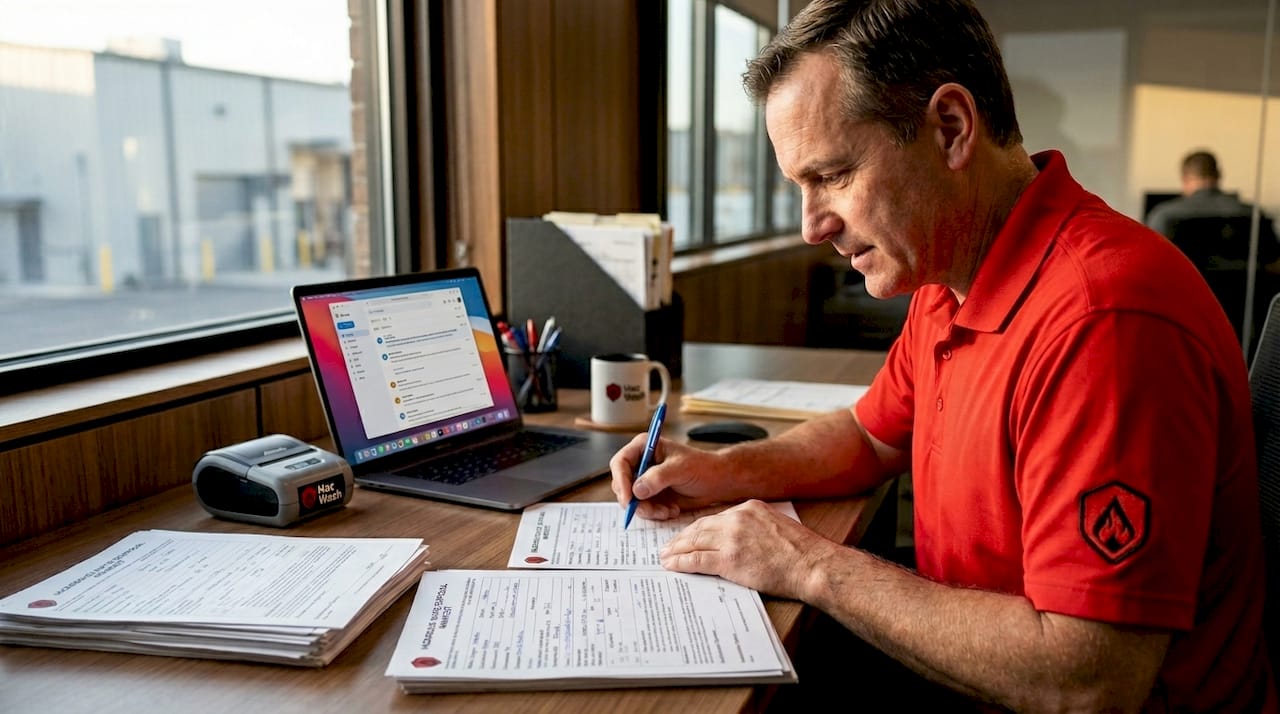
FactorLicensed and certified cleanersUnlicensed cleanersOSHA complianceRequired and documentedNonePPE standardsFull, regulatedInconsistent or absentDisinfectant selectionEPA-registered, pathogen-specificConsumer-grade, often ineffectiveWaste disposalManifests, licensed facilitiesIrregular or illegalDocumentationClearance records and exposure plansNone
Pro Tip: Ask any biohazard company you contact to provide their OSHA exposure control plan and proof of IICRC or ABRA certification before work begins. A legitimate company will produce these without hesitation.
Biohazard remediation sits at the intersection of public health law, occupational safety, and environmental regulation. Navigating these requirements correctly demands licensed professionals who train for exactly this complexity.
Licensed vs. unlicensed cleanup: the real differences
This is where the consequences become concrete. The gap between licensed biohazard cleanup and a DIY or unlicensed approach is not a matter of effort or thoroughness. It is a matter of science, safety systems, and legal exposure.
Start with disinfectants. EPA disinfectant labels specify contact times that vary by microorganism. A product might require ten minutes of wet surface contact to inactivate hepatitis B, but a person cleaning without training will typically wipe the surface dry within seconds. That surface looks clean. It is not. Licensed cleaners are trained to follow label dwell times precisely, treating every contaminated surface as if the most resistant pathogen on the label is present.
Unlicensed or DIY biohazard cleanup typically involves several critical failures:
Using consumer-grade cleaners with no registered efficacy against bloodborne pathogens
Applying disinfectants without correct contact times, leaving pathogens viable
No exposure control plan, meaning no systematic approach to preventing worker or resident exposure
Improper PPE, or none at all, creating direct infection risk
Disposing of biohazardous materials in standard trash or sewage, which violates state and federal regulations
The legal risk is real and lasting. Waste disposal documentation with chain-of-custody manifests is required for biohazardous materials to move to licensed disposal facilities. Without this documentation, the property owner can face compliance liability even if they were not the one who conducted the cleanup. This is a consequence most families do not anticipate until it becomes a problem.
Licensed cleanup companies carry insurance, maintain regulatory compliance records, and provide clearance documentation after the job. That paperwork protects you. An unlicensed cleaner offers none of it.
How to choose a licensed biohazard cleaner
When you are already dealing with a traumatic or stressful situation, evaluating service providers is the last thing you want to spend energy on. These steps make it straightforward:
Verify licensing and insurance. Ask for proof of state licensing and general liability insurance. Confirm their workers’ compensation coverage protects you from liability if a technician is injured on your property.
Check certifications. Look for IICRC S540, ABRA membership, or OSHA HAZWOPER training documentation. These credentials confirm structured training beyond minimum legal requirements.
Ask about their disinfectant products. A qualified company should be able to name the EPA-registered disinfectants they use and explain why those products are appropriate for the specific pathogens involved.
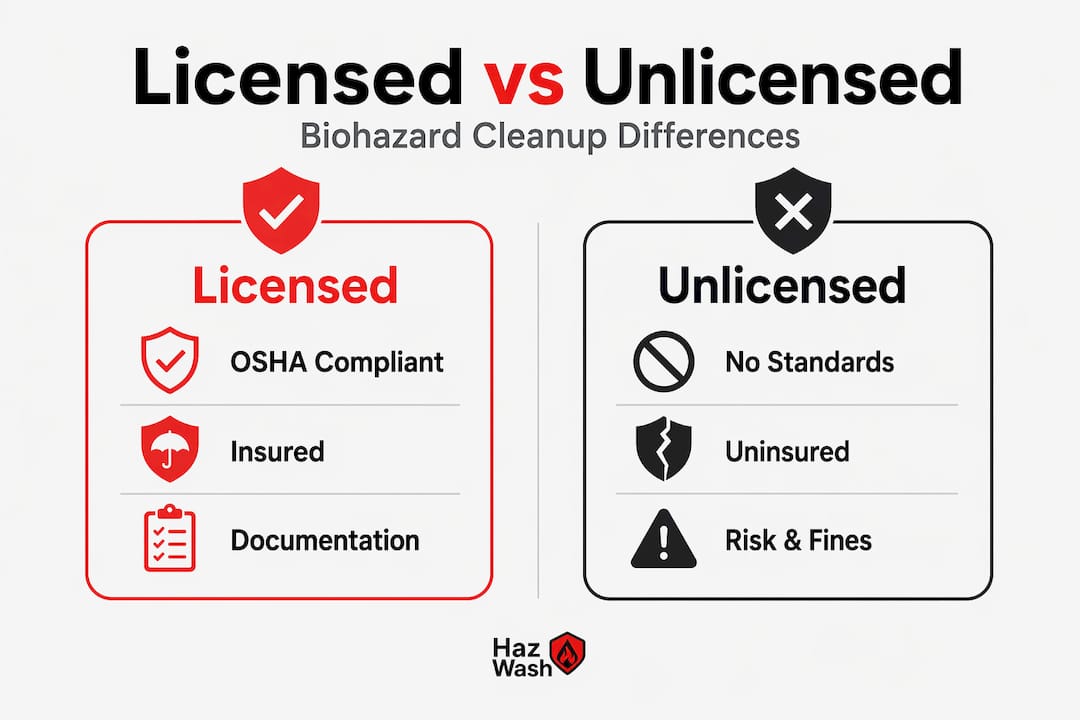
Request documentation practices. Ask what records they provide after cleanup. You should receive an exposure control plan record, disinfectant application logs, and waste disposal manifests.
Confirm 24/7 availability. Biohazard incidents do not follow business hours. A professional company should be reachable and deployable at any time.
Ask about their experience with your specific scenario. A company that regularly handles unattended death cleanup operates differently from one that primarily does mold remediation. Specific experience matters.
Pro Tip: When reviewing a company’s documentation process, look specifically for chain-of-custody waste manifests. This single document confirms that contaminated materials were transported and disposed of legally. If a company cannot provide this, walk away.
Reviewing documentation and compliance practices before you commit to a company is not excessive caution. It is the difference between being fully protected and carrying ongoing liability you did not know you had accepted.
What the professional cleanup process looks like
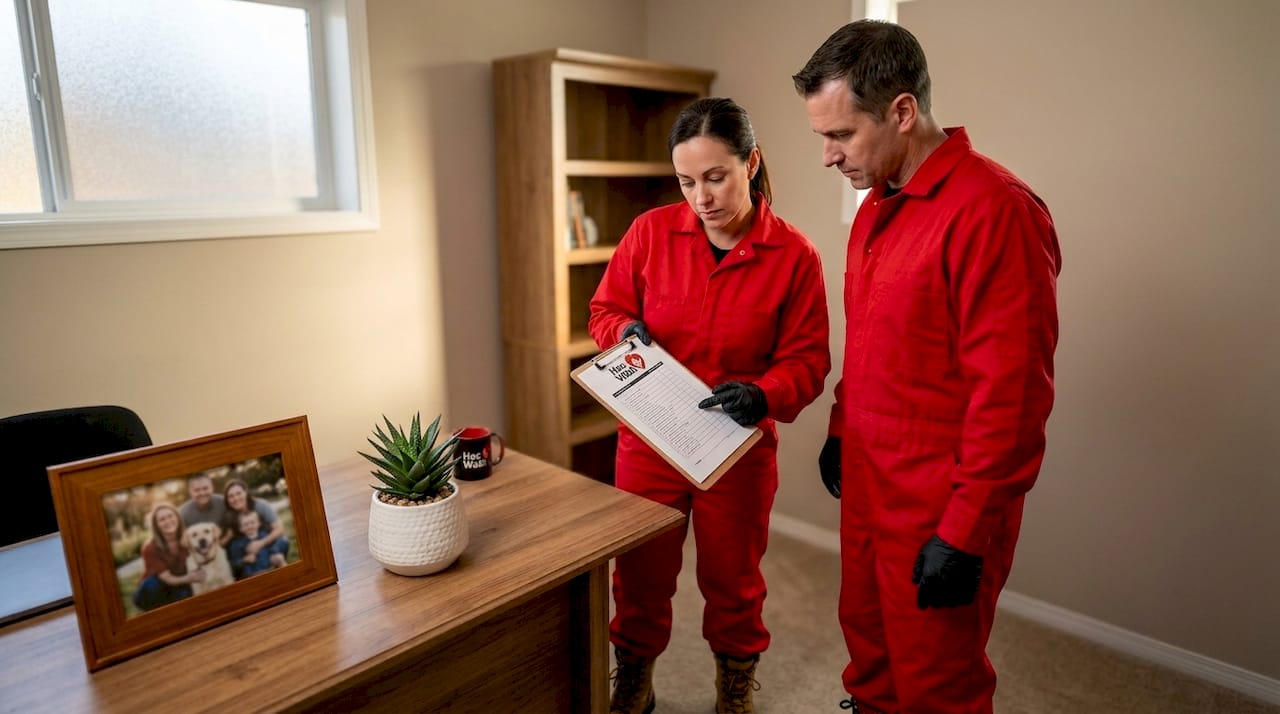
Understanding what a licensed team actually does from start to finish helps you recognize quality work and ask the right questions. A properly executed biohazard cleanup follows a structured sequence where each phase serves a specific safety purpose.
The professional cleanup process includes:
Site assessment: Identifying all areas of contamination, including areas not visibly affected. Pathogens migrate through porous materials and air movement.
Containment: Isolating the affected area to prevent cross-contamination of other spaces in the property.
Removal of contaminated materials: Porous materials like carpet, drywall, and mattresses that cannot be fully decontaminated are removed and packaged as biohazardous waste.
Disinfection: Hospital-grade disinfectants effective against HIV, hepatitis B, and hepatitis C are applied at correct contact times to all affected surfaces.
Verification and clearance testing: Confirming decontamination through testing or documented protocols before the space is re-occupied.
Regulated disposal: All waste is packaged, labeled, and transported to licensed disposal facilities with manifests and chain-of-custody records.
Throughout this process, certified technicians document compliance steps at each stage. That documentation is what transforms a cleanup from a visual result into a verified, legally defensible restoration.
My perspective: licensing is not optional
I’ve worked alongside families in some of the most difficult situations imaginable. What I’ve learned from that experience is this: people who attempt DIY biohazard cleanup are not careless. They are usually in shock, trying to protect their family, and not fully aware of what they’re dealing with. That is precisely why professional standards exist.
The most common misconception I encounter is that cleaning thoroughly is the same as cleaning safely. It is not. I’ve seen situations where a family spent hours scrubbing a scene, felt confident it was handled, and later discovered that contamination had migrated into the subfloor or wall cavity. No amount of visible effort addresses that. Only a structured assessment and proper removal protocol does.
Cost is the other hesitation I hear regularly. Licensed cleanup is not inexpensive. But the cost of remediation after an incomplete job, or the cost of regulatory violations from improper waste disposal, routinely exceeds what professional cleanup would have cost from the start. Families dealing with trauma should not also be dealing with preventable health exposures or legal complications months later.
Compliant cleanup protocols exist for good reason. They reflect decades of public health research about what actually works to protect people. My view is that when a biohazard incident occurs, hiring a licensed professional is the only responsible choice.
— David
Hazwash is ready to help when you need it most
When you are facing a biohazard situation in your home or on your property, you should not have to figure out credentials and compliance on your own. Hazwash brings OSHA HAZWOPER, IICRC, and DOT certified technicians to every job in Detroit and the surrounding areas, operating 24/7 so you have access to qualified help the moment you need it.
Hazwash handles the full range of biohazard situations, including trauma scenes, unattended deaths, crime scene restoration, hoarding cleanup, and sewage decontamination. Every job includes complete documentation: exposure control records, disinfectant application logs, and waste disposal manifests. Your safety and your legal protection are both covered. Contact Hazwash’s licensed cleanup team today for a discreet, compliant response from professionals who understand both the technical and human dimensions of what you are going through.
FAQ
What does “licensed biohazard cleaner” actually mean?
A licensed biohazard cleaner is a company or technician that meets federal and state regulatory requirements, including OSHA’s Bloodborne Pathogens Standard, and carries certifications like IICRC S540 or ABRA credentials that confirm structured training and compliance practices.
Can I clean up a biohazard scene myself?
DIY cleanup carries serious health and legal risks. Household methods cannot replicate professional disinfection protocols or regulated waste disposal, leaving pathogens active and exposing you to compliance liability.
What certifications should I look for in a biohazard cleaner?
Look for OSHA HAZWOPER training, IICRC S540 certification, and ABRA membership. These credentials confirm the company follows documented exposure control plans and proper disinfection and disposal procedures.
Why does waste disposal documentation matter to me as a homeowner?
Without waste disposal manifests and chain-of-custody records, you may face regulatory liability even if an unlicensed cleaner performed the work on your property. Proper documentation protects you legally after the cleanup is complete.
How quickly can a licensed biohazard company respond?
Reputable licensed companies like Hazwash offer 24/7 emergency response and can deploy to a scene within hours of your call, which is critical for limiting pathogen spread and protecting occupant health.