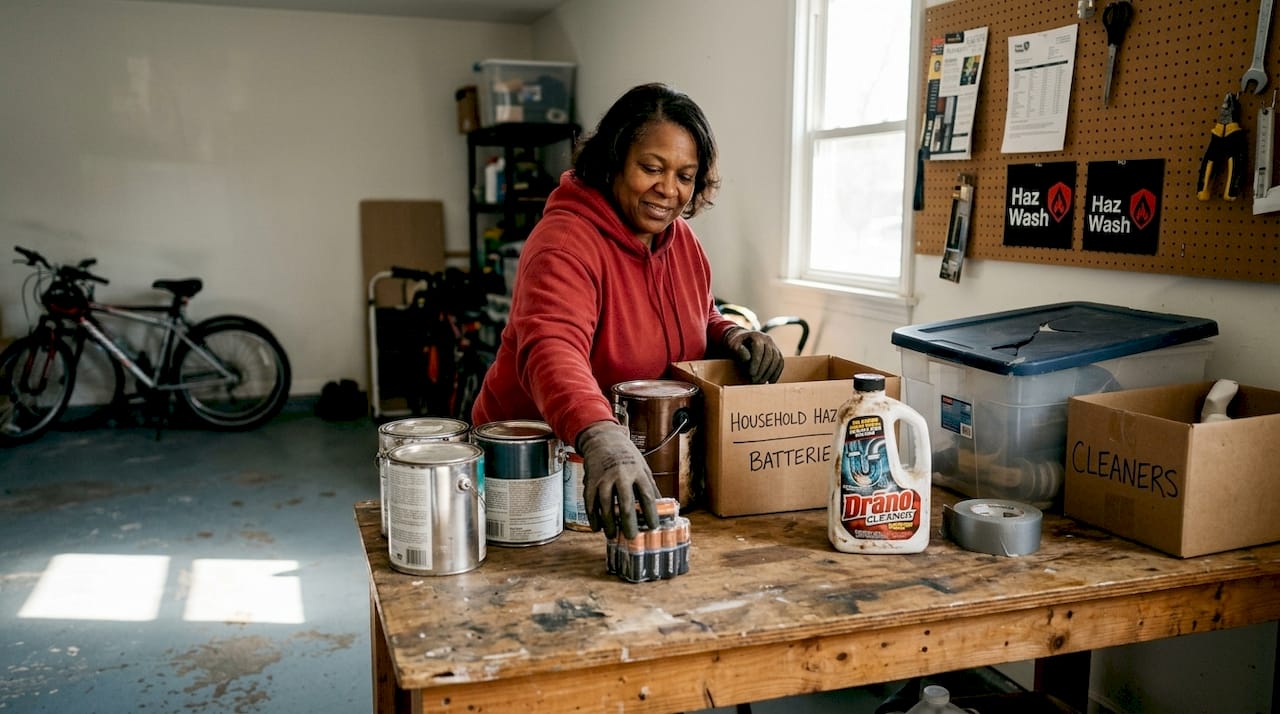
Top hazardous waste examples and safe disposal in Detroit
Top hazardous waste examples and safe disposal in Detroit
Hazardous waste in Detroit homes includes paints, solvents, batteries, and asbestos, all regulated by federal and state laws. Proper classification and disposal are crucial to avoid significant fines and health risks. Biohazardous waste requires specialized handling by licensed professionals to ensure safety and compliance.
Hazardous waste turns up in Detroit homes, rental units, and commercial properties more often than most people realize. Old paint cans in the basement, a blood spill after a trauma, or asbestos siding on a 1940s bungalow each carry serious legal and health consequences if handled incorrectly. For property managers and families, the stakes are real: fines can reach $15,000 per violation, and exposure to improperly handled waste can cause lasting harm. This guide breaks down the most common hazardous waste examples found in Detroit properties, explains how they are classified under federal and state rules, and gives you clear, actionable disposal guidance.
Table of Contents
Key Takeaways
PointDetailsKnow the categoriesHazardous waste in Detroit is classified by regulatory criteria including ignitability, toxicity, and whether it’s biohazardous.Handle household items safelyPaints, cleaners, batteries, and other HHWs require special collection events or services—not curbside trash.Biohazard waste rules differMedical and infectious waste has stricter handling and transport requirements than general hazardous materials.Professional help avoids penaltiesLicensed services ensure compliance, lower health risks, and prevent heavy fines for improper disposal.Detroit-specific regulations applyMichigan EGLE and Wayne County have rules beyond federal guidelines—local compliance is a must.
How is hazardous waste classified?
Understanding classification is the first step toward staying compliant. The EPA regulates hazardous waste under the Resource Conservation and Recovery Act (RCRA). Hazardous waste is classified into two broad categories: listed wastes and characteristic wastes.
Listed wastes fall into four groups:
F-list: Wastes from common industrial or manufacturing processes (spent solvents, for example)
K-list: Wastes from specific industries like petroleum refining
P-list: Acutely hazardous discarded commercial chemical products
U-list: Hazardous discarded commercial chemical products not on the P-list
Characteristic wastes are defined by four properties:
Ignitability: Flash point below 140°F (think gasoline or certain paint thinners)
Corrosivity: pH below 2 or above 12.5 (strong acids or bases)
Reactivity: Materials that explode, release toxic gases, or are unstable
Toxicity: Contains heavy metals like lead, mercury, or cadmium above threshold levels
Here is a quick reference for characteristic waste properties:
CharacteristicTest CriteriaCommon ExampleIgnitabilityFlash point < 140°FPaint thinner, acetoneCorrosivitypH < 2 or > 12.5Battery acid, drain cleanerReactivityUnstable, explosiveLithium batteries, bleach/ammonia mixToxicityHeavy metals exceed limitsOld pesticides, lead paint chips
One important statistic: healthcare facilities generate around 85% non-hazardous waste, meaning the dangerous 15% requires focused attention and proper identification. In Detroit, the Michigan Department of Environment, Great Lakes, and Energy (EGLE) layers additional state requirements on top of federal RCRA rules. That means a property manager following only federal guidance may still be out of compliance locally. Our Detroit hazardous waste disposal guide covers how state and local rules interact in practice.
Common household hazardous waste examples
With the framework in mind, here are the top hazardous waste types you might find in Detroit apartments, homes, or rental properties.
The Wayne County Household Hazardous Waste Program accepts paints, cleaners, pesticides, and batteries at designated collection events. These items are separate from biohazardous waste and cannot be dropped off at the same locations. Knowing the difference matters.
Most common household hazardous waste (HHW) items:
Paints and stains: Oil-based paints are hazardous; latex paint dried solid may be accepted as regular trash in some cases
Solvents and thinners: Acetone, mineral spirits, and turpentine are ignitable and toxic
Household cleaners: Oven cleaners, drain openers, and pool chemicals can be corrosive or reactive
Pesticides and herbicides: Contain toxic compounds that persist in soil and groundwater
Batteries: Lead-acid car batteries and lithium batteries both carry toxic and reactive risks
Fluorescent bulbs: Contain mercury and require special recycling
Motor oil and automotive fluids: Contaminate soil and water if dumped
Biohazardous waste is a separate category entirely. Blood spills, materials contaminated with other potentially infectious materials (OPIM), and hoarding cleanups involving biological matter cannot go to a county HHW drop-off. These require licensed commercial services. You can learn more about specific situations in our guide to urine and feces cleanup in Detroit properties.
For Detroit hazardous materials disposal involving biohazards, always contact a certified contractor rather than attempting self-disposal.
Pro Tip: Always store HHW in its original, clearly labeled container. Keep items sealed, away from children and pets, and in a cool, dry area until a collection event or certified pickup is scheduled. Mixing unknown chemicals is one of the most common causes of accidental exposure.
Biohazardous and medical waste: What’s different?
But how does hazardous waste differ when dealing with biohazards and medical waste? The distinction matters because the rules, penalties, and required handling protocols are not the same.
Biohazardous and medical waste are governed by OSHA’s Bloodborne Pathogens Standard, DOT transportation regulations, and Michigan EGLE guidelines. Not every health-related waste qualifies as a biohazard. For example, urine and feces are not automatically classified as OPIM unless they visibly contain blood or come from a known infectious source. Uncontaminated medical supplies, like unused bandages, are generally not regulated as biohazardous.
Steps to compliance when biohazardous waste is present:
Use appropriate personal protective equipment (PPE): gloves, eye protection, and respiratory protection as needed
Segregate waste into clearly labeled, leak-proof containers (red bags or sharps containers)
Never mix biohazardous waste with regular trash or HHW
Use only licensed transporters certified to handle infectious materials
Maintain documentation of pickup, transport, and disposal for liability protection
One fact that surprises many property managers: HBV in dried blood can remain infectious for up to 7 days on surfaces. A dried bloodstain that looks harmless can still transmit Hepatitis B. That is why trauma scene cleanup requires certified professionals, not a standard cleaning crew.
Fines for improper biohazardous waste handling can reach $15,000 per violation. For property managers, a single incident can trigger regulatory investigations, insurance complications, and tenant liability claims.
Hoarding situations often combine both categories. A property with accumulated waste may contain rotting food, animal feces, used sharps, and chemical products all in one space. Our hoarding cleanup service in Detroit is specifically equipped to sort, classify, and dispose of mixed waste streams safely. For properties with confirmed biological contamination, our Detroit urine and feces biohazard cleanup team follows full OSHA and EGLE protocols.
Property-specific hazardous waste: Lead, asbestos, and more
Beyond household waste, certain property hazards in Detroit demand extra attention. Detroit’s housing stock is among the oldest in the Midwest. Many properties were built before modern materials regulations existed, which means renovation, eviction cleanouts, and property turnovers regularly uncover serious hazards.
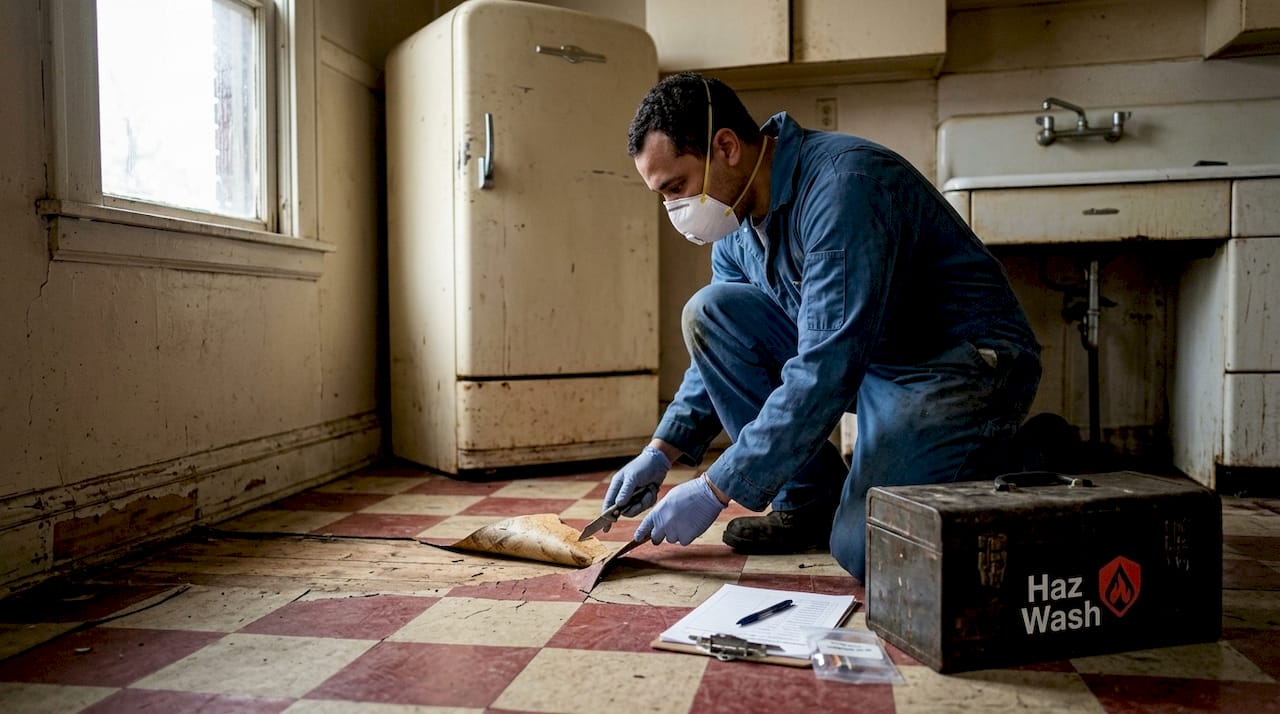
Brownfields frequently contain lead, asbestos, heavy metals, volatile organic compounds (VOCs), and petroleum products. These are not rare edge cases in Detroit. They are routine findings.
Key hazards to test for before any renovation or cleanout:
Lead-based paint: Present in most Detroit homes built before 1978; sanding or demolition creates inhalable dust
Asbestos: Found in siding, floor tiles, pipe insulation, and roofing in pre-1980 construction
Mercury thermostats: Older HVAC systems may contain mercury switches requiring specialized disposal
Petroleum leaks: Underground storage tanks and old heating systems can contaminate soil
VOCs: Off-gassing from old adhesives, sealants, and industrial coatings
Here is a comparison of the main property-level hazards and what makes each one distinct:
HazardPrimary RiskRequired ActionLead paintNeurological damage, especially in childrenCertified abatement contractorAsbestosLung disease, mesotheliomaLicensed asbestos removal teamMercuryNervous system damageSpecialized collection, not trashVOCsRespiratory irritation, long-term toxicityVentilation and certified removalPetroleumSoil and groundwater contaminationLicensed environmental contractor
Facilities like EQ Detroit specialize in processing these types of hazardous materials for compliant disposal. For property managers overseeing renovations or trash-outs, always test before you disturb any suspect material. Hiring a certified professional is not optional when these hazards are confirmed. Our guide to hazardous waste disposal options in Detroit covers how to find the right licensed contractor for each waste type.
Why mishandling hazardous waste in Detroit is riskier than you think
Most guides stop at listing the rules. Here is what they leave out.
EGLE enforcement in Michigan is active and local. A complaint from a neighbor, a tenant, or even a routine property inspection can trigger a formal investigation. The risk is not just theoretical. Property managers who skip certified disposal to save money often face costs that far exceed what proper disposal would have required.
DIY shortcuts carry a second, less obvious risk: insurance denial. Many property and liability insurers will not cover claims tied to improper hazardous waste handling. If a tenant gets sick after a cleanup you managed without certified help, your policy may not protect you.
The uncomfortable truth is that most violations happen not from malice but from not knowing what you did not know. Assuming that a dried bloodstain is safe, that old paint can go in the dumpster, or that a hoarding cleanout is just a big trash job are all mistakes with real consequences.
If you are uncertain about any waste type on your property, contact a licensed Detroit hazardous waste contractor before acting. Always photograph your waste storage setup and keep service records. Those records are your proof of compliance if EGLE ever comes knocking. Our Detroit waste compliance tips cover documentation best practices in detail.
Pro Tip: Date-stamp your photos of waste storage and disposal receipts. A simple folder of dated photos and invoices has resolved compliance disputes for property managers without any legal escalation.
Detroit biohazard and hazardous waste cleanup you can trust
If you need more than information, swift and expert help is a call away.
HazWash LLC provides certified, local response for property managers and families across Detroit and surrounding areas. Our biohazard cleanup services go beyond surface cleaning. We handle compliance documentation, licensed waste transport, and full decontamination for medical, biohazardous, and chemical hazards. Whether you are managing a trauma scene, a hoarding property, or a renovation uncovering lead or asbestos, our team responds 24/7. We also provide emergency trauma cleanup and certified hazardous incident response that meets or exceeds Detroit, Michigan, and federal standards. Contact us for a consultation or rapid dispatch.
Frequently asked questions
What is the difference between hazardous waste and biohazardous waste?
Hazardous waste covers chemicals and toxic materials regulated under RCRA, while biohazardous waste includes infectious materials like blood and medical waste subject to separate OSHA and EGLE rules requiring additional safety protocols and licensed handling.
How should I dispose of old paint, cleaners, or batteries in Detroit?
Take these items to a Wayne County HHW collection event. Never pour them down drains, mix them with regular trash, or leave them in a dumpster.
Are household medical sharps considered hazardous waste?
Household sharps are exempt from RCRA rules but still require puncture-resistant disposal containers and should never be placed in regular trash or recycling bins.
What penalties exist for illegal hazardous waste dumping in Detroit?
Improper disposal can trigger $15,000 fines per violation along with mandatory cleanup costs, civil liability, and potential criminal charges depending on the severity of the incident.
Who can pick up biohazardous or medical waste from my Detroit property?
Only licensed commercial transporters complying with city, state, and federal guidelines are authorized to collect and transport biohazardous waste from residential or commercial properties.