Understanding Legal Liabilities in Trauma Scene Cleanup Situations
Trauma scenes are overwhelming. They leave behind more than just shock or sadness. There may be blood, body fluids, strong odors, or even waste nobody wants to touch. Many people don’t realize that the risks left behind aren't only about cleanup. There's a legal side, too.
When something serious like a death or violent incident happens, cleanup often can’t be done with just household cleaners and good intentions. A homicide cleanup service isn't just about removing stains or smells. It helps keep families and property owners from taking on legal responsibility they didn’t expect. Knowing what can go wrong, before jumping into cleanup alone, can make a big difference. Here's what to be aware of and how to handle it safely.
When a Scene Becomes a Legal Matter
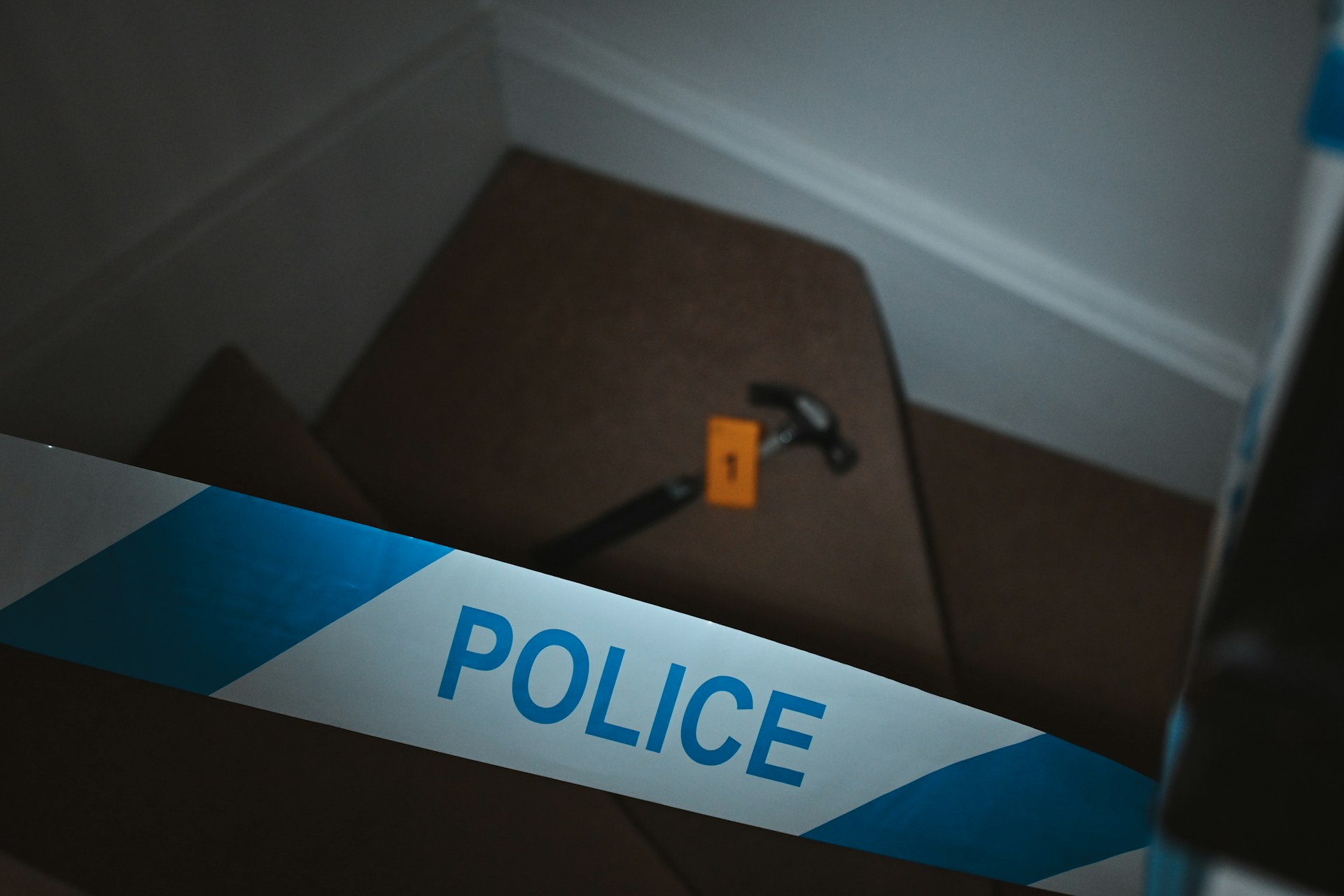
What’s left behind at a trauma scene can quickly become part of a police case or medical investigation. That means every item, stain, or waste pile might be treated as evidence while officials are still working.
By the time law enforcement releases a scene, they have already collected the evidence they believe is needed. Once the property is turned back over, the primary concern for families and owners is how exposure to what’s left behind can affect their health and safety. Cleaning up the area without understanding how far fluids spread, or what materials are contaminated, can create serious problems later. For example:
Handling blood or bodily fluids without proper protection can lead to infections or long-term illness
Being exposed to waste or fluids might lead to safety complaints or lawsuits
Improper cleaning can result in more damage, both legally and physically
Property owners, landlords, or family members might not realize they’re legally responsible for what happens during or after the cleanup. If waste isn’t handled the right way, it’s easy to end up with complaints from renters, fines from health inspectors, or even insurance trouble. Regulatory agencies focus on whether biohazards were cleaned and disposed of according to local, state, and federal rules, and ignoring those requirements can quickly lead to legal and financial consequences.
Hazards You Can’t See but Are Still Responsible for
Even after a room “looks” clean, that doesn’t mean it’s safe. Fluids like blood and urine can soak deep into carpet, wood, or furniture. in warmer months, these smells grow stronger. in colder months, like in early March across the Midwest, people tend to keep windows shut to stay warm, which traps odors inside.
Beneath the strong smells can be bacteria, viruses, and hidden damage. The most common risks in trauma cleanup include:
Bloodborne pathogens that survive on surfaces for days
Human waste, including feces or urine, that seeps into floors or baseboards
Odors that carry bacteria through air vents or HVAC systems
Add hoarding or clutter to the mix, and the issue gets worse. Contaminated items can hide under boxes, inside bags, or between packed furniture. Hoarded homes hold onto waste, and odors sink into everything around. Even something as small as a missed tissue or loose gauze can create long-term problems if left behind.
Missteps That Can Lead to Major Legal Problems
Trying to handle cleanup without proper help often leads to mistakes. When waste is involved, even a small error can create serious fallout. These are some of the most common trouble spots:
Tossing contaminated items in regular trash instead of using proper medical waste containers
Trying to rinse fluids down household drains, pushing bacteria into the plumbing
Failing to document what was cleaned, replaced, or removed for insurance or legal records
One area people forget about is odor. When smells stick around, neighbors may complain. That can trigger health or city inspections, especially when stained surfaces or visible marks aren’t removed properly. If someone gets sick or a smell spreads to another unit in an apartment building, a cleanup mistake can turn into a legal mess.
Many counties and cities have specific rules for how biohazards are removed. If these rules aren't followed, property owners or managers could be fined or forced to bring in licensed help after the fact anyway. By then, the cost and stress are worse than if things had been handled right the first time.
How Professional Cleanup Helps You Stay Protected
Proper cleanup means more than scrubbing surfaces. Certified cleanup crews come in with full protective gear, safe waste containers, and special equipment that most people don’t have at home. The real benefit, though, is that professionals follow the steps needed for legal and health safety from the start.
Here’s what a trained trauma cleanup crew usually handles:
1. Removing items that can’t be cleaned, like stained mattresses or soaked drywall
2. Cleaning and disinfecting surfaces with EPA-approved solutions
3. Controlling odor using ventilation, filters, and neutralizers
4. Safely transporting and disposing of waste without risking others
Most important of all, a licensed homicide cleanup service shifts the legal weight off the property owner. This process is called liability transfer. Once a certified crew is called in, proper records are kept, and all waste is removed in line with state and local laws.
They don’t stop at what’s visible. HVAC systems are cleaned, furniture gets treated, and even wall cavities or floorboards may be inspected for hidden waste. By going deeper, they help protect everyone who enters the space next, whether it’s family, tenants, or future workers.
Peace of Mind After a Difficult Situation
Trauma changes everything in a home. When the scene is tied to something tragic, fast decisions often need to be made under stress. Jumping into cleanup without thinking through the legal and safety side can lead to new headaches down the road.
Relying on a professional homicide cleanup service helps reduce that risk. It clears away harmful waste, removes stubborn odors, and makes sure no part of the job is skipped or handled the wrong way. More than anything, it protects the people left behind from facing legal trouble over something they didn’t mean to overlook. With the scene fully handled, it's finally possible to start focusing on healing instead of worrying about what might have been missed.
At Hazwash LLC, we understand how stressful and complicated a traumatic event can be, especially when legal risks and health hazards are involved. From hidden biohazards to tough odors and structural contamination, it is rarely only one issue that requires attention. When you need help managing a cleanup safely and legally, our work goes beyond surface stains or visible damage. Facing a situation that calls for a trusted homicide cleanup service means you deserve clear information, safe practices, and support you can rely on as you decide on next steps. Call us anytime to speak with someone who can assist you.