What Is Gross Filth Cleanup? a Family Safety Guide
What Is Gross Filth Cleanup? a Family Safety Guide
TL;DR:
Gross filth cleanup involves the professional removal of hazardous materials like waste, biohazards, and structural damage caused by neglect, beyond standard cleaning. Certified technicians follow strict protocols, including containment, PPE, and verification testing, to ensure safety and compliance. Attempting DIY cleanup risks spreading contamination and violating regulations, making professional services essential for full restoration and public health protection.
Gross filth cleanup is not what most people picture when they hear the word “cleaning.” It refers to the professional removal of hazardous materials, including human or animal waste, biological contaminants, accumulated trash, and structural damage caused by extreme neglect. If you’re facing a situation that feels overwhelming, unsafe, or unlike anything a mop and bucket could fix, you are not alone. This guide breaks down what gross filth cleanup actually involves, why standard cleaning falls short, what professional protocols require, and how to protect yourself and your family through every step of the process.
Table of Contents
Key Takeaways
What gross filth cleanup actually covers
People often assume gross filth cleanup is just deep cleaning taken to an extreme. It is not. Gross filth cleanup involves removing hazardous materials such as human or animal waste, bacteria, and biohazards to restore severely contaminated environments. That distinction matters because it changes the equipment required, the safety protocols involved, and who should be doing the work.
Common materials found in gross filth situations include:
Human and animal feces, urine, and vomit
Rotting food and organic debris
Infestations of rodents, cockroaches, or other pests
Accumulated trash compacted over months or years
Mold colonies spreading through walls, floors, and ceilings
Blood, bodily fluids, and other biohazardous waste
Sharps, chemicals, and other hazardous debris mixed into clutter
The environments that require this level of remediation are more common than most people realize. Hoarding situations are among the most frequent. When clutter accumulates over years and pets live inside the space, the biological contamination builds invisibly. Unattended deaths are another scenario where filth cleanup is categorized as a specialized service entirely separate from routine waste removal. Extreme neglect in rental properties, homes where elderly residents lived alone without support, and spaces following flooding or disaster are all situations that can escalate to gross filth conditions.
The health risks in these environments are serious. Pathogens like E. coli, Salmonella, Hepatitis B, and Clostridium difficile survive in waste long after the source is gone. Mold spores become airborne. Ammonia from urine accumulation can reach toxic concentrations indoors. These are not inconveniences. They are genuine public health hazards that require a structured, professional response.
Professional cleanup protocols and safety standards
The regulation of gross filth cleanup is not informal. The ANSI/IICRC S540 standard governs trauma and biohazard cleanup with a stepwise framework that includes cleaning, disinfection, and verification. Certified professionals follow this framework on every job, and for good reason. Without it, contamination spreads, health risks persist, and liability falls on everyone who touched the property.
Here is how a compliant gross filth cleanup proceeds:
Hazard assessment. Technicians evaluate the full scope of contamination before entering, identifying biohazards, structural risks, chemical hazards, and infestation presence.
Containment zone setup. Contamination control strategies physically isolate affected areas using barriers, negative air pressure, and designated clean and dirty zones. Workers follow strict protocols when moving between zones to prevent cross-contamination.
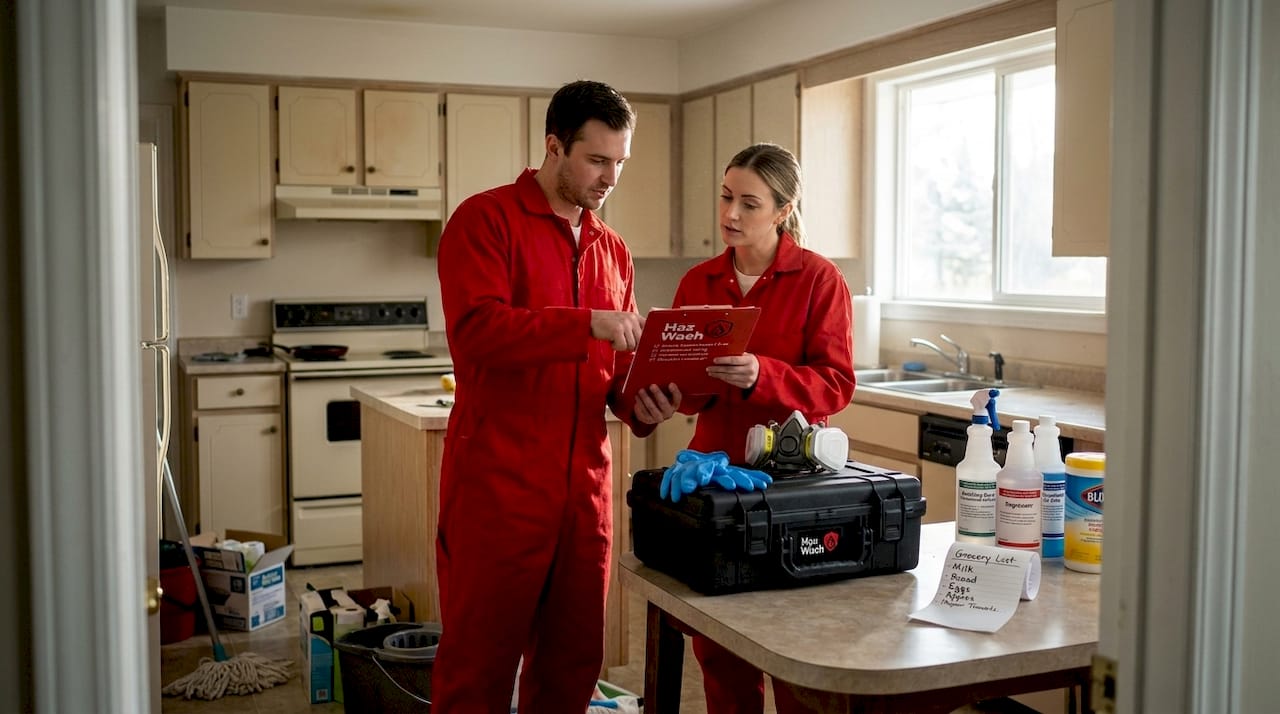
PPE selection and donning. Proper PPE matched to hazards includes nitrile gloves, full Tyvek suits, respirators (N95 minimum, PAPR for heavy mold), face shields, and boot covers. Donning and doffing in the correct order is not optional. A single misstep in removing contaminated gear can transfer pathogens directly to the technician.
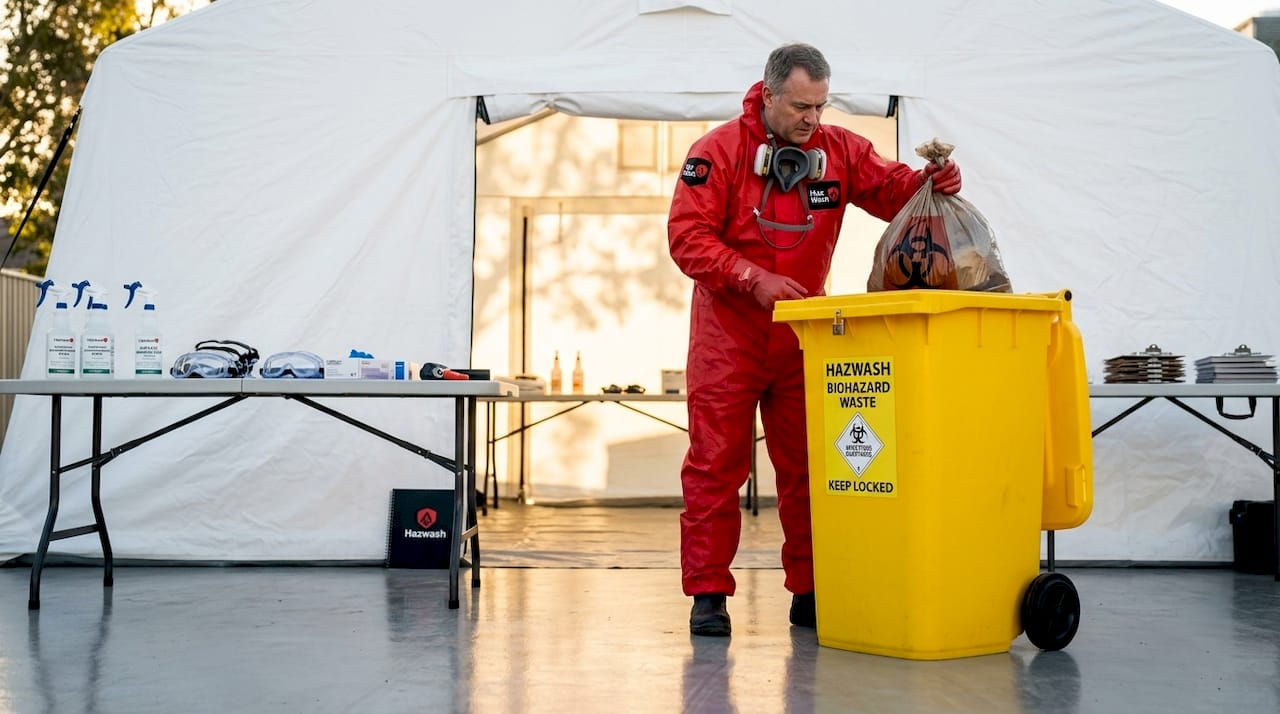
Removal of contaminated materials. All biohazardous waste is packaged and labeled following DOT and EPA regulations. Trash, debris, and contaminated porous materials like carpet and drywall are removed and disposed of through licensed waste contractors.
Cleaning and hospital-grade disinfection. Surfaces are treated with EPA-registered disinfectants at appropriate dwell times. This is not general-purpose spray cleaner. These are regulated chemical agents designed to eliminate specific pathogens.
Verification and clearance testing. Visual inspection alone is insufficient to confirm biological contamination is gone. ATP swab testing quantifies residual biological activity on surfaces. Before and after photos, disposal logs, and clearance documentation are provided to the client.
Pro Tip: Ask any cleanup company you contact whether they perform ATP swab testing and can provide written clearance documentation. If they cannot answer clearly, they are not operating to professional standards.
Legal compliance extends beyond the cleanup itself. Biohazardous waste must be transported, treated, and disposed of according to federal OSHA HAZWOPER regulations and state-level requirements. In Michigan, this means specific manifests, licensed haulers, and documented chain of custody from collection to disposal. Working with OSHA-compliant cleanup professionals protects you from regulatory liability.
Challenges beyond the surface
Most people who encounter a gross filth situation focus on what they can see. The real challenges are often what they cannot. Accumulated materials strain floor joists and foundations, and mold and pests compound structural damage in ways that are not visible until a technician starts removing layers.
Consider what happens in a long-term hoarding situation. Years of material pressing against walls can cause moisture to wick into drywall, creating mold growth hidden entirely behind stacks of belongings. Once the belongings are removed, that mold is disturbed and becomes airborne. Without containment already in place before removal begins, spores spread throughout the property. The cleanup has made the air quality worse unless the professional team anticipated this.
Flood damage spreads contaminants in ways that require combined restoration efforts. When gross filth cleanup intersects with water damage, coordinated restoration services are not a luxury. They are a necessity for full property recovery.
Emotional complexity is another dimension families rarely expect. Remediation of a loved one’s home after a death, a mental health crisis, or decades of hoarding requires discretion and sensitivity. Professional teams trained in biohazard cleanup work understand that the belongings in a space carry meaning. They communicate clearly, move deliberately, and document decisions.
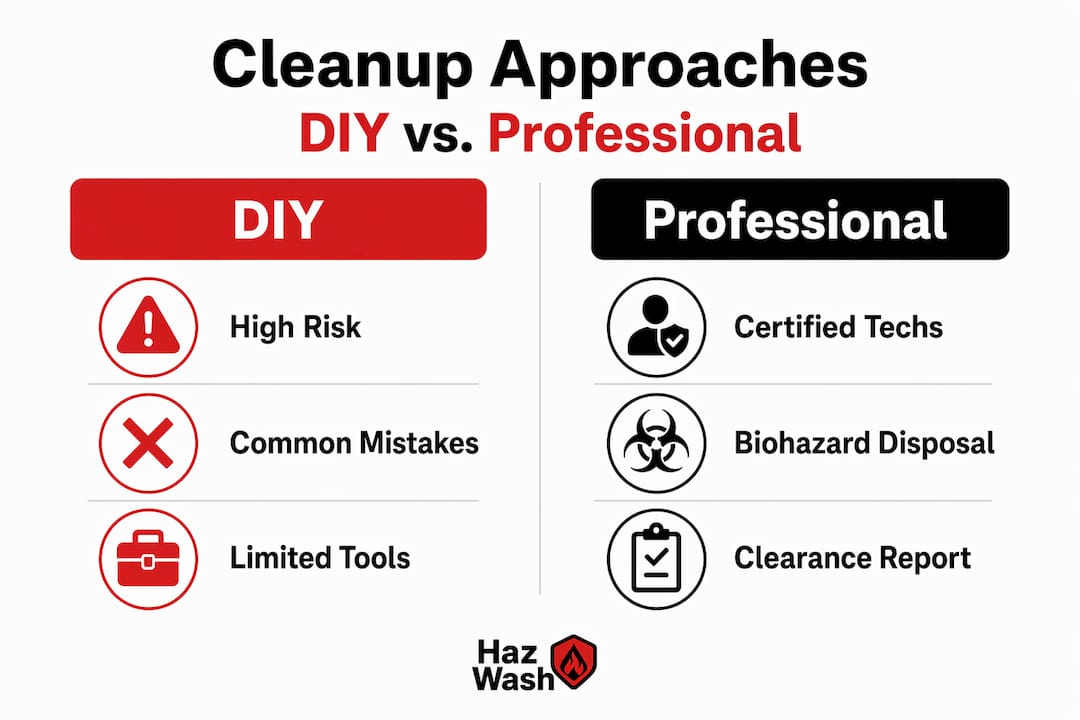
Common pitfalls in DIY attempts include using household bleach on porous surfaces (it does not penetrate), failing to recognize when flooring must be removed rather than cleaned, and disposing of biohazardous waste in standard trash, which is a federal violation. These are not minor mistakes. They can result in ongoing health exposure, property condemnation, and legal consequences.
DIY vs. professional gross filth removal
Knowing when to step back is not a sign of weakness. It is a safety decision. Here are the clear indicators that a situation has moved beyond what any household cleaning effort should attempt:
Any presence of human or animal waste in quantity
Visible mold covering more than 10 square feet
Deceased animals or evidence of an unattended death
Sharps, chemicals, or unknown substances in the debris
Strong ammonia smell or other chemical odors
Floor instability or visible structural compromise
Certified cleanup professionals provide licensed, discreet services with thorough documentation and clear client communication throughout the process. When choosing a service, verify IICRC certification, OSHA HAZWOPER training, and a clear process for biohazard waste disposal. Ask for proof of insurance and references from similar jobs.
Pro Tip: Before the cleanup team arrives, open windows in unaffected areas if safe to do so, and keep children and pets completely away from the affected space. Do not attempt to pre-clean or remove materials. Disturbing contaminated areas before containment is set up can spread hazards you cannot see.
After cleanup is complete, you should receive a clearance report, disposal documentation, and photographic evidence of the remediated space. A legitimate company provides all of this without prompting. If you are supporting a family member through a hoarding recovery process, reviewing hidden biohazards in hoarding can help you understand what professionals look for and why full remediation matters.
What I’ve learned after years in biohazard remediation
When families contact us, they are rarely asking what gross filth cleanup is. They are asking whether what they are looking at is as serious as they fear. In my experience, the answer is almost always: it is more serious, not less.
What I have seen consistently is that people underestimate biological contamination because they focus on what they can see. A room that looks manageable after surface debris is removed can still harbor pathogens deep in subfloor materials, inside wall cavities, and in HVAC systems. The absence of a smell does not mean the contamination is gone.
I have also watched families carry unnecessary guilt about these situations. Gross filth accumulation is frequently connected to medical conditions, mental health struggles, or a period of crisis that the person had no control over. The cleanup is not a judgment. It is a restoration. The right professional team understands that and treats every job with the dignity the situation deserves.
My practical advice: do not wait. The longer biological contamination sits in a structure, the deeper it penetrates and the more it costs to fully remediate. Calling for a professional assessment, even if you are uncertain about the severity, is always the right first step. The assessment is how you find out exactly what you are dealing with and make decisions from a position of knowledge rather than fear.
— David
How Hazwash supports families through gross filth remediation
When a situation involves biohazards, waste, and severe contamination, you need more than a cleaning company. You need a certified remediation team that handles every step legally, discreetly, and with documented compliance.
Hazwash provides professional biohazard cleanup services across Detroit and surrounding areas, with certifications in OSHA HAZWOPER, IICRC, and DOT compliance. Every job includes containment setup, licensed waste disposal, ATP clearance testing, and full documentation. The team responds 24 hours a day, 7 days a week, and treats every client with complete confidentiality. Whether you are managing a family home, a rental property, or an emergency situation, Hazwash is ready to help you restore the space safely. Reach out through the Hazwash service page to get a direct response from a certified technician.
FAQ
What makes gross filth cleanup different from deep cleaning?
Gross filth cleanup addresses biohazards, infectious waste, and structural contamination that standard deep cleaning cannot safely manage. It requires certified technicians, regulated PPE, licensed waste disposal, and verification testing that general cleaning services do not provide.
Can I clean gross filth myself?
DIY attempts are not recommended when biohazardous materials are present. Without proper containment, PPE, and licensed disposal, you risk spreading pathogens, violating federal waste regulations, and leaving contamination behind that is not visible to the naked eye.
What does ATP swab testing verify?
ATP swab testing measures residual biological activity on surfaces after cleaning. It confirms that hospital-grade disinfection was effective, providing objective, documented evidence that contamination has been fully removed.
How long does professional gross filth cleanup take?
Timeline depends on the size of the space and severity of contamination. A single room with moderate contamination may take one to two days. A large hoarding situation with structural damage and mold can require a week or more of coordinated remediation work.
Do professional cleanup companies handle biohazard waste disposal legally?
Yes. Certified companies transport and dispose of biohazardous waste under OSHA HAZWOPER regulations and Michigan biohazard disposal rules, providing chain-of-custody documentation that protects property owners from liability.