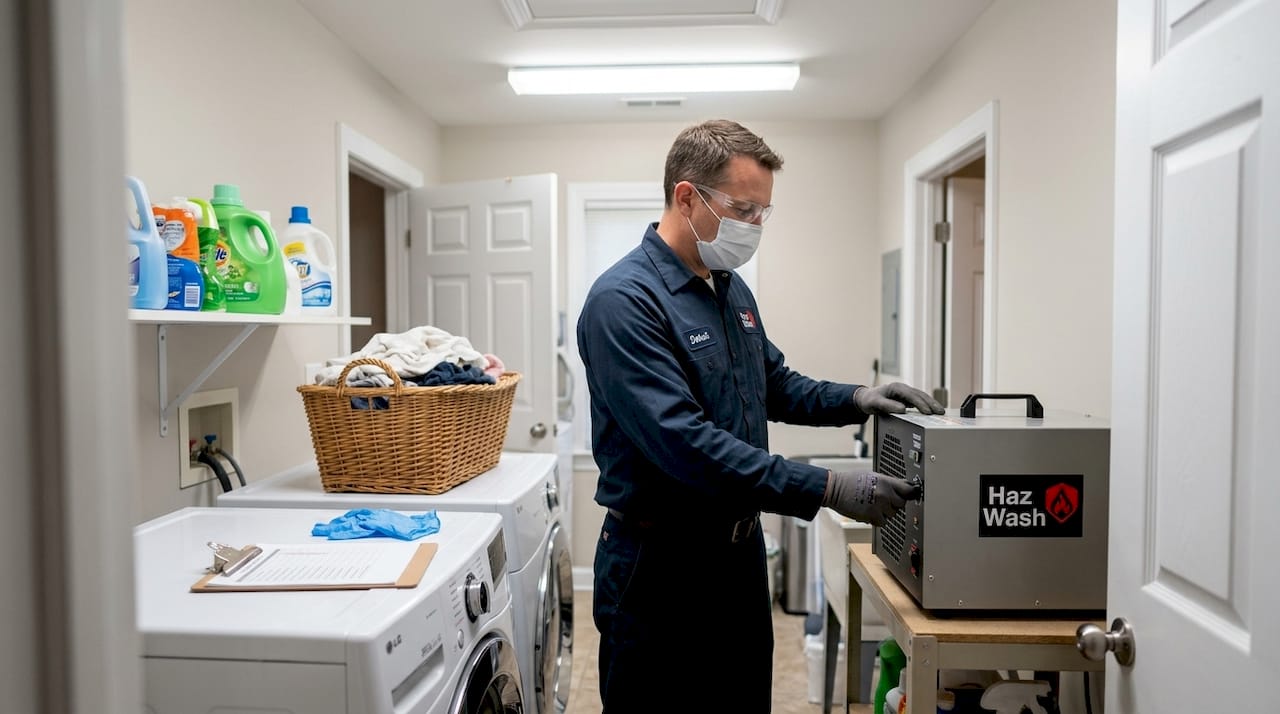
Effective Hazardous Odor Removal Methods for Detroit Homes
Effective Hazardous Odor Removal Methods for Detroit Homes
Hazardous odors can indicate serious biohazard contamination requiring professional cleanup.
Prompt action within 24 to 48 hours reduces costs and structural damage.
Certified professionals ensure safe, effective removal and proper legal documentation.
Hazardous odors in a Detroit home are not just unpleasant. They can signal serious biohazard risks hiding beneath the surface, from bacterial contamination to toxic chemical residues. Lingering smells after a trauma, sewage backup, animal hoarding situation, or unattended death can affect your health, put you out of compliance with local regulations, and lower your property value fast. This guide walks you through how to identify hazardous odors, which removal methods actually work, how to compare your options, and when calling a certified professional is the only safe move.
Table of Contents
Why quick response is the real game-changer in hazardous odor removal
Take the next step with professional hazardous odor removal in Detroit
Key Takeaways
PointDetailsIdentify true hazardsPersistent or unusual odors may signal serious biohazard risks in your property.DIY has limitsHousehold remedies offer only temporary relief for hazardous odors and may not address root causes.Professional help mattersBiohazard specialists ensure safe, complete odor removal compliance and document incidents for insurance.Act quicklyImmediate attention to hazardous odors reduces health risks and costly damage.Choose the right methodMatching the odor removal approach to the problem ensures lasting results and peace of mind.
How to identify hazardous odors and their risks
Not every bad smell is a biohazard, but some odors are warning signs you cannot afford to dismiss. Biohazard odors may indicate the presence of harmful substances or waste that require immediate attention. The challenge is that many hazardous sources produce smells that are easy to confuse with routine household issues.
Here are the most common odor types that signal a real hazard:
Musty or moldy smell: Often points to water damage, sewage infiltration, or decomposing organic material hidden inside walls or flooring.
Chemical or ammonia-like smell: May indicate the presence of urine buildup from animal hoarding, industrial solvents, or drug manufacturing residue.
Decomposition odor: A sweet, pungent, or rotting smell is a serious indicator of an unattended death or dead animals within a structure.
Sulfur or sewer smell: Sewage backflow can introduce pathogens, gases, and biohazardous waste into your living space.
Persistent smoke or char smell: After a fire, toxic residues and carcinogenic particles can bind to surfaces and continue releasing gases.
For Detroit landlords and homeowners, the legal stakes are equally real. Michigan property law and federal health guidelines require that landlords maintain habitable, safe conditions. Ignoring a confirmed or suspected biohazard odor can expose you to liability claims, lease violations, and code enforcement actions.
Common Detroit scenarios that generate hazardous odors include trauma scenes, animal hoarding, sewage backflow into basements, and unattended deaths in vacant or rental units. Learning to recognize risk indicators early makes a significant difference in the outcome.
Important: A hazardous odor does not always come from something visible. Contamination can saturate drywall, subfloor, and insulation without any visible staining.
Pro Tip: Document what you smell, where you smell it, and when you first noticed it. This documentation matters for insurance claims and any legal protection you may need later. Use the guidance on hazardous contamination signs to build a proper record before any remediation begins.
Basic vs. advanced odor removal methods
Once you identify the source, you need to match the method to the severity. Some techniques are appropriate for mild cases while others require expert handling. Using the wrong approach can actually spread contamination or mask odors temporarily, creating a false sense of resolution.
What homeowners can try for minor odors:
Increase ventilation: Open windows, run exhaust fans, and use box fans to push stale air out. This is only useful when the source has already been removed.
Apply baking soda or activated charcoal: These are absorption agents that can reduce minor odors on surfaces and in enclosed spaces.
Clean affected surfaces: Use an EPA-registered disinfectant on hard, non-porous surfaces where mild contamination is suspected.
Replace air filters: HVAC filters can trap and recirculate contaminated air particles. Swap them out as a first step.
Intermediate options:
Enzyme-based cleaners: These break down organic compounds at the molecular level, making them effective for pet waste, urine, and mild biological residue. They work slowly and require full surface contact to be effective.
Ozone treatment: Ozone generators can neutralize stubborn organic odors, but they require the space to be completely vacated. Ozone at treatment levels is harmful to people, pets, and plants. Misuse leads to health risks and potential OSHA violations.
Advanced professional methods:
Industrial HEPA air filtration: Captures microscopic particles, including bacteria and mold spores, during remediation.
Thermal fogging: Penetrates porous surfaces to neutralize deep-set odors.
Structural extraction and sealing: Removal of contaminated drywall, insulation, and flooring, followed by antimicrobial sealing of the remaining structure.
For any method beyond basic surface cleaning, Michigan OSHA regulations and federal OSHA standards apply. Proper personal protective equipment, waste disposal protocols, and post-treatment verification are required. Reviewing OSHA-compliant cleanup standards before proceeding protects you from legal exposure.
Pro Tip: Never use bleach on porous materials like wood or drywall. It does not penetrate deeply enough to neutralize the source, and it can create hazardous fumes when mixed with other substances already present at a contaminated site.
Comparing odor removal strategies: Effectiveness and safety
Knowing a method exists is one thing. Knowing how it performs under real Detroit conditions is another. Professional methods achieve higher removal rates and reduce hazard recurrence compared to DIY approaches.
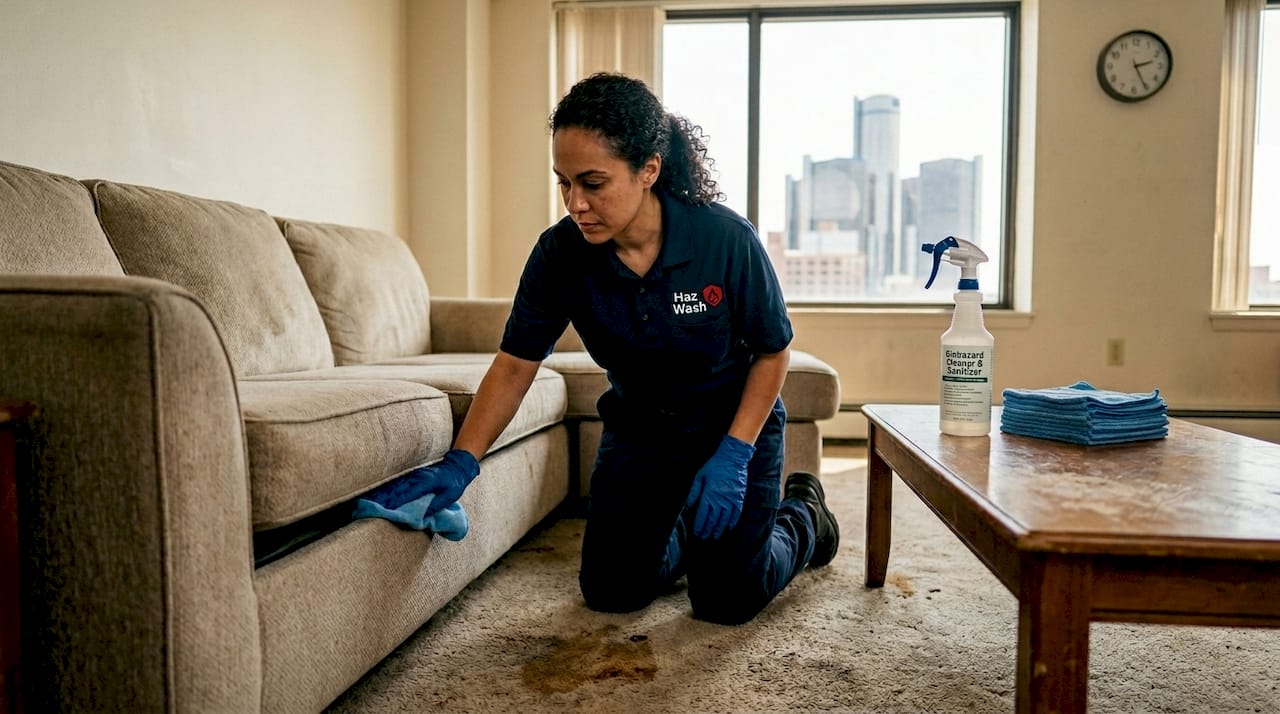
For pet waste and urine contamination, enzyme cleaners combined with HEPA filtration show strong results when the source material is fully removed first. For trauma scenes and sewage backflow, nothing short of professional extraction and structural assessment will provide lasting odor removal.
Key insight: Odors that return within days of treatment are a reliable sign that the contamination source was not fully addressed. Recurring smells usually mean biological material remains in the structure.
Timeline matters financially as well. A DIY attempt that fails and delays professional intervention often results in deeper contamination, leading to more extensive structural work and higher total costs. Using an odor investigation checklist before and after treatment helps establish what was done and whether results were achieved.
On the insurance side, homeowners and landlords who use certified professionals and maintain proper documentation are far more likely to receive coverage for remediation costs. Insurers look for evidence that qualified professionals handled the work according to applicable standards.
When and why to call biohazard cleanup professionals
Specialists can remove hazardous odors safely and meet the legal requirements that protect both you and any occupants of the property. There are specific situations where calling a certified team is not optional. It is the only responsible move.
Triggers that mean you need professional help now:
The odor is persistent despite multiple cleaning attempts.
The smell is associated with a known biohazard event such as a death, trauma, or sewage overflow.
You notice visible biological material alongside the odor.
Tenants or occupants are reporting health symptoms like headaches, nausea, or respiratory issues.
Your lease agreement or local code requires professional remediation after certain incidents.
You are preparing to sell or rent the property and need documentation of a clean bill of health.
What to expect when you call:
StageWhat happensTypical timeframeInitial assessmentSite inspection, odor mapping, hazard identification1 to 2 hoursContainmentSealing affected areas to prevent spreadSame dayRemoval and treatmentBiological extraction, surface treatment, air filtration1 to 5 daysVerificationPost-treatment testing and documentationWithin 24 hours of completionFinal reportInsurance and legal documentation providedDelivered at job close
For situations involving bodily fluids, feces and urine cleanup requires certified handling under both OSHA and Michigan Department of Health standards. Similarly, emergency trauma cleanup involves regulated biohazardous waste disposal that goes far beyond standard cleaning.
Before hiring any remediation company, ask these questions: Are you OSHA HAZWOPER certified? Do you carry liability insurance? Will you provide written documentation of all work completed? These answers protect you legally and financially.
Pro Tip: Request a written scope of work before any remediation begins. This document should detail exactly what will be removed, treated, and tested. It protects you if disputes arise with insurers or future tenants.
Why quick response is the real game-changer in hazardous odor removal
Most guides focus on choosing the right method. What they skip is the single factor that determines whether any method succeeds: how fast you act.
In our experience working Detroit properties, the cases with the worst outcomes were rarely the most severe incidents. They were cases where property owners waited, tried repeated DIY fixes, or avoided calling professionals out of concern for cost. That delay allowed contamination to penetrate deeper into porous materials, mold to establish, and odors to become embedded in HVAC systems.
Conventional wisdom says try everything yourself first. In hazardous odor situations, that logic fails. Every day of delay expands the affected area and raises the total remediation cost. Detroit’s local code enforcement and health department timelines also mean that waiting too long can shift a voluntary remediation into a mandatory one with penalties attached.
Our work with odor investigation shows that properties addressed within 24 to 48 hours of a biohazard event consistently require less structural work, cost less to restore, and return to full occupancy faster. Speed is not panic. It is the most cost-effective decision you can make.
Take the next step with professional hazardous odor removal in Detroit
You now have a clear picture of what hazardous odors signal, which removal methods work, and when to call in certified help. Acting on that knowledge is the part that protects your property, your tenants, and your peace of mind.
Hazwash’s odor removal services are built specifically for Detroit homeowners and landlords dealing with exactly these situations. We are OSHA HAZWOPER certified, IICRC trained, and available 24/7 for emergency response. Every job includes full documentation for insurance and legal purposes. Whether you need a same-day assessment or a complete structural remediation, we handle it discreetly, thoroughly, and in full compliance. Learn more about safe biohazard response or review the risk indicators for property owners to take your first step today.
Frequently asked questions
What are signs of hazardous odors that require urgent action?
Strong, persistent odors with a chemical, musty, or decomposition smell are likely indicators of biohazard contamination. These smells should never be dismissed, as hazardous odors often indicate biohazardous sources that require professional evaluation.
Can I remove hazardous odors myself or do I need professionals?
Minor surface odors may respond to basic cleaning and ventilation, but severe or recurring smells tied to biohazard events require certified remediation. Advanced cases require experts to meet health and safety compliance standards.
How long does hazardous odor removal take?
Light cases may be resolved in a few hours, while severe incidents involving structural contamination can take several days. Professional methods may shorten the total time needed for full remediation significantly.
Does insurance cover hazardous odor removal services?
Many homeowner and landlord policies cover professional biohazard cleanup when it is tied to a documented incident or emergency claim. Professional documentation makes insurance coverage more likely and simplifies the claims process considerably.