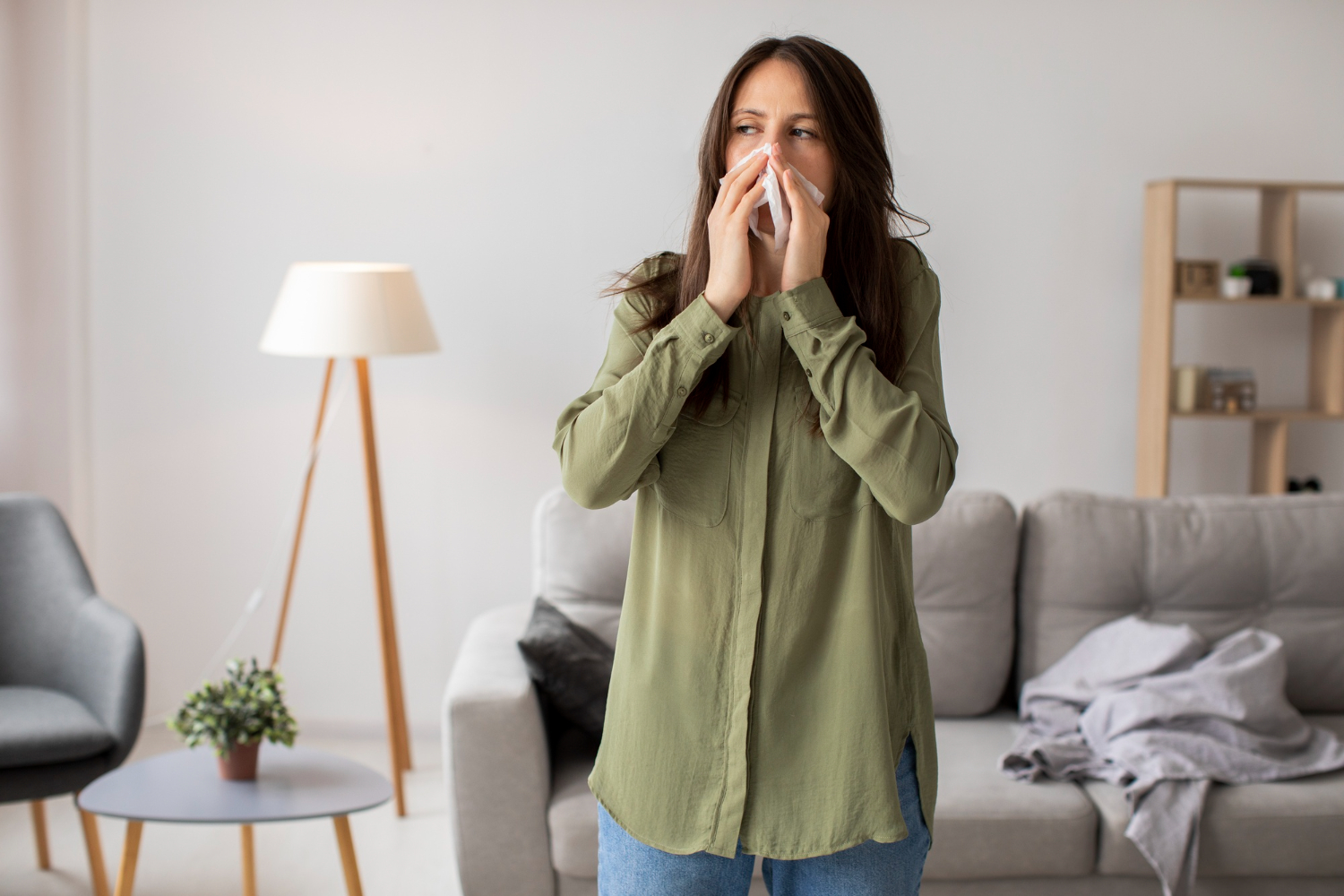
Why Does That Room Smell So Bad After Cleaning Up Human Waste?
Sometimes after everything looks cleaned up, a room still smells like something is wrong. This happens a lot after human waste removal. The visible mess might be gone, but the odor sticks around like it never left. That’s because cleaning up isn’t just about what you can see; it is about what’s still hiding underneath.
We know how frustrating that can be. You expect the room to feel clean, but the scent tells a different story. Even one small area missed during cleanup can spread a lasting smell. In colder months, like December in Michigan, the air doesn’t move around much. That stale air can hold odors in place, leaving you stuck with an unpleasant reminder of something that should have been taken care of.
Why Human Waste Odors Linger After Cleanup
It’s common to think a thorough surface-level clean will take care of everything. But odors often come from the spots you don’t think to look.
In Metro Detroit, we respond to these situations with IICRC certified odor control and trauma cleanup technicians who follow OSHA HAZWOPER 40 training, so contamination that feeds those odors is dealt with correctly from the start.
Here’s why smells hang around long after cleanup:
• Waste can soak into carpets, hardwood flooring, and drywall. These materials trap liquids and bacteria below the surface.
• Even if all the solids are removed, bacteria can stay behind. These tiny organisms release gases that produce strong smells.
• In the colder Detroit winter, you probably keep windows closed and run the heat. That keeps air from moving around and makes it hard for clean air to replace the old, smelly air.
The result is a room that appears clean but still gives off foul odors every time the heater turns on or someone disturbs the space.
Common Mistakes That Lead to Lingering Smells
Not every cleanup job fully takes care of all the hidden issues. Some cleanup methods just mask the problem instead of solving it.
Here are a few common missteps that cause odors to stick around:
• Using regular household cleaners that don’t kill the types of bacteria left by human waste.
• Overlooking hidden areas like under appliances, behind baseboards, or inside ducts.
• Skipping odor control equipment. Items like air scrubbers or odor neutralizers aren’t common in most homes, so smells don’t get filtered out properly.
We’ve seen spaces where everything looked spotless, but the smell told the truth. That slight sour or ammonia-like odor is a warning sign that bacteria could still be active.
Behind-The-Scenes: What Human Waste Removal Really Involves
Real cleanup goes far beyond wiping things down. Removing human waste is only the first part. What really matters is finding and treating the stuff you can’t see.
Here’s what goes into it when it’s done right:
• Checking every corner of the room thoroughly to locate any soaked surfaces or contaminated material.
• Using disinfectants formulated for biohazard cleanup so every trace of bacteria is eliminated.
• Dealing with everything from furniture and fabrics to vents and subflooring.
We use EPA registered, hospital grade disinfectants along with full odor remediation methods, including advanced oxidizing treatments, so odors are neutralized at the source instead of being covered with temporary fragrances.
In the winter months, you may have a hard time drying out materials fast enough. That’s why professional cleanup includes steps to treat and dry wet spots quickly before mold or smells set in. Smells get trapped and grow worse if warm, damp air mixes with bacteria-soaked materials.
Why You Shouldn't Wait to Address Post-Cleanup Smells
It’s tempting to ignore the smell and hope it goes away. But that often makes things worse.
Here’s what can happen if that smell is left alone:
• Bacteria can keep spreading through air vents or onto other surfaces.
• The odor seeps deeper into walls and floors, making it harder and more expensive to fix.
• Anyone staying in or visiting the room can start to feel sick, anxious, or just uncomfortable.
No one wants to live or work in a space that doesn’t feel hygienic. Lingering smells can affect tenants, family members, or even customers. For property managers or caretakers, it can turn into a bigger issue if the space becomes unlivable or legally unfit.
In Michigan, once urine or feces has soaked into flooring or building materials, it is handled as regulated waste. So having licensed hazmat technicians remove, package, and transport those materials helps protect you from fines and long-term liability tied to improper disposal.
Clear the Air and Restore Peace of Mind
That bad smell is more than just something in the air. It’s a sign that something’s still not right. After human waste is removed, the job isn’t finished until every part of the odor is cleared out too.
When smells continue to linger, we know how to track down those hidden areas and neutralize what’s causing the problem. With cold winter air locking odors inside, having the right tools and know-how can make all the difference.
Our careful approach ensures we double-check every hidden corner and re-assess air and surfaces. Such thorough, attentive work provides extra reassurance that no lingering smell has been left behind.
Persistent odors after cleanup may signal hidden contamination below the surface, a challenge that intensifies in Metro Detroit during cold weather when proper ventilation is limited. We take every step to target tough odor sources and clean every affected layer so that your space feels truly refreshed. Still noticing unwanted smells even after human waste removal calls for a deeper inspection. Contact Hazwash LLC today to restore your space and peace of mind.