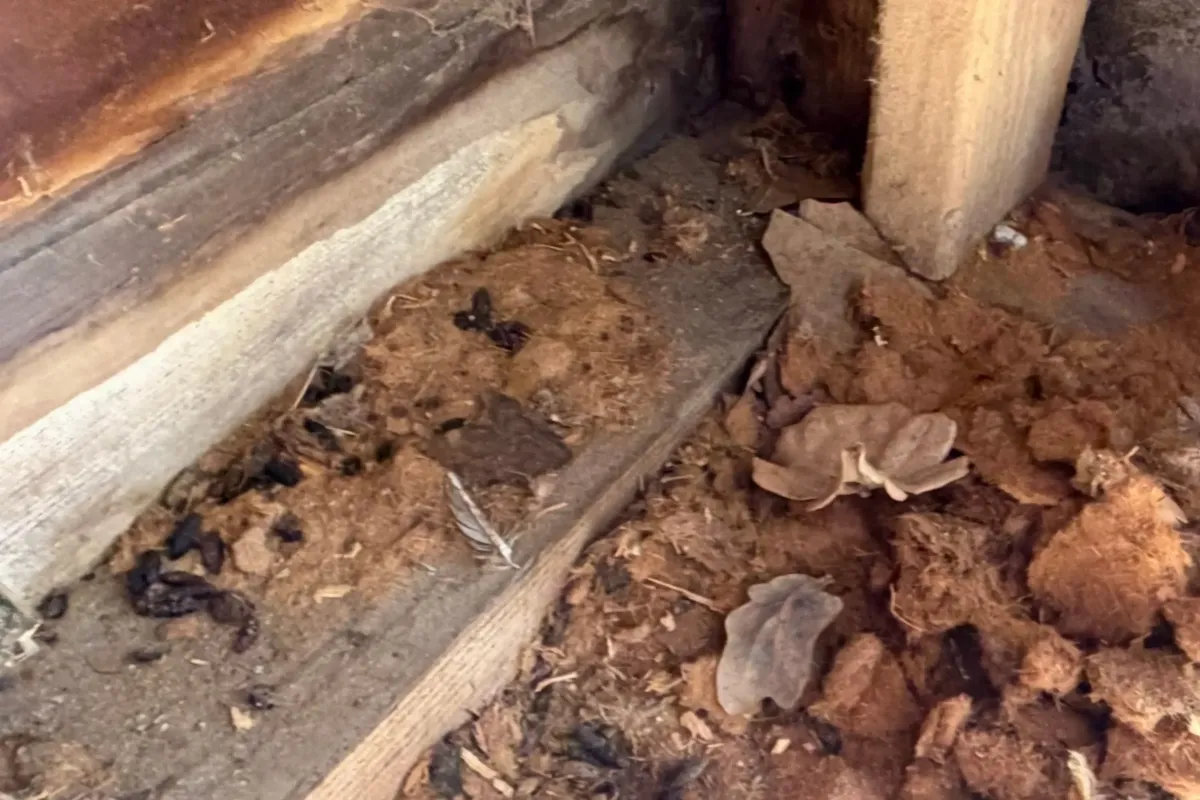
How to Clean Rodent Droppings Safely | Avoid “Rat Poo Sludge”
How to Get Rid of Rodent Droppings Safely (Without Turning It Into “Rat Poo Sludge”)
Cleaning up rodent droppings might seem simple—but most people do it the wrong way.
And if you’re not careful, you can turn a manageable cleanup into a bigger problem—spreading contamination and creating what we call rat poo sludge.
That’s when things go from bad to worse.
This guide breaks down the correct way to handle rodent droppings safely—based on real-world cleanup practices.
📞 Need help now? Call HazWash™ at 1-844-HAZWASH for fast, discreet cleanup
👉 See also: Rodent Droppings Cleanup Service
The #1 Mistake That Turns Rodent Droppings Into “Rat Poo Sludge”
Most people think spraying rodent droppings heavily will make cleanup easier.
It doesn’t.
Over-wetting breaks down the droppings and spreads contamination across surfaces—creating rat poo sludge that’s harder to remove and more dangerous to handle.
👉 The goal is NOT to soak it
👉 The goal is to control airborne particles while keeping materials intact
Why Rodent Droppings Are Dangerous
Rodent waste isn’t just unpleasant—it can carry serious health risks.
Droppings may contain:
Hantavirus
Salmonella
Leptospirosis
Other harmful pathogens
When disturbed improperly, particles can become airborne and spread throughout your home.
👉 This is why proper handling matters
Step-by-Step: How to Get Rid of Rodent Droppings Safely
1. Identify the Type and Extent of Contamination
Start by assessing how widespread the issue is and what type of droppings you’re dealing with.
This helps determine:
Risk level
Cleanup method
Whether professional help is needed
2. Set Up a Safe Work Zone
Create a designated area for your equipment and cleanup.
This prevents:
Cross-contamination
Spreading waste into clean areas
3. Wear Proper PPE
Never handle rodent droppings without protection.
Use:
Respirator (N95 or higher)
Gloves
Goggles
👉 This protects against airborne particles and direct exposure
4. Lightly Fog the Area (DO NOT SPRAY OR SATURATE)
Use a fogger or ultra-fine mist to lightly dampen the area.
Do NOT use a standard sprayer or soak the droppings.
👉 If you over-wet the area, you’ll end up with rat poo sludge—which spreads contamination and makes cleanup harder
5. Remove Droppings Safely
Once lightly misted, remove droppings using:
HEPA vacuum (preferred)
Scraper or brush and pan
Avoid aggressive sweeping or dry handling
6. Apply a Degreaser
After removing bulk material, apply a degreaser to break down remaining residue.
This helps remove:
Organic buildup
Surface contamination
7. Apply an Oxidizer
Use an oxidizing agent to neutralize remaining organic material and odors
8. Disinfect With an EPA-Registered Product
Apply a disinfectant designed for biohazard cleanup
👉 This ensures pathogens are properly neutralized
9. Final Fogging for Full Sanitization
After surfaces are cleaned and wiped:
Lightly fog the entire room with an EPA-registered disinfectant
This ensures:
Full coverage
Treatment of hard-to-reach areas
Complete sanitation
When DIY Cleanup Is NOT Safe
You should not attempt cleanup yourself if:
Droppings are widespread
Contamination is in insulation or HVAC systems
There is strong odor or long-term infestation
You’re unsure of exposure risk
👉 In these cases, it’s safer to use a professional rodent droppings cleanup service
Why Professional Cleanup Matters
A professional rodent droppings cleanup service goes beyond surface cleaning
They:
Contain contaminated areas
Use proper PPE and filtration
Perform deep disinfection
Handle disposal according to regulations
👉 The goal is to eliminate risk—not just clean what you can see
Hidden Contamination Most People Miss
Even after visible droppings are removed, contamination can remain in:
Insulation
Air ducts
Flooring and subfloors
Walls and enclosed spaces
This is why improper cleanup often leads to ongoing problems
❓ FAQs About Rodent Droppings Cleanup
Q: Can I vacuum rodent droppings?
Only if using a HEPA vacuum and after properly misting the area. Standard vacuums can spread contaminated particles into the air
Q: Is bleach enough to clean rodent droppings?
Bleach can help disinfect, but it must be used correctly and after proper removal. It does not replace full cleanup procedures
Q: How dangerous are rodent droppings?
Rodent droppings can carry harmful pathogens like hantavirus and salmonella, especially if particles become airborne
Q: When should I call a professional?
If contamination is widespread, hidden, or involves strong odors, it’s best to call a professional rodent droppings cleanup service
Q: What is the biggest mistake people make?
Over-spraying the area. This breaks down droppings and creates rat poo sludge, spreading contamination instead of removing it
Need Professional Help With Rodent Droppings Cleanup?
If you’re dealing with rodent contamination, the safest option is to make sure it’s handled properly the first time.
DIY cleanup can miss hidden contamination—or make things worse if done incorrectly.
👉 Don’t risk turning a small problem into a bigger one.
Our rodent droppings cleanup service handles everything safely, thoroughly, and in compliance with proper sanitation standards.
📞 Call HazWash™ now at 1-844-HAZWASH for fast, discreet service
👉 Learn more: Rodent Droppings Cleanup Service