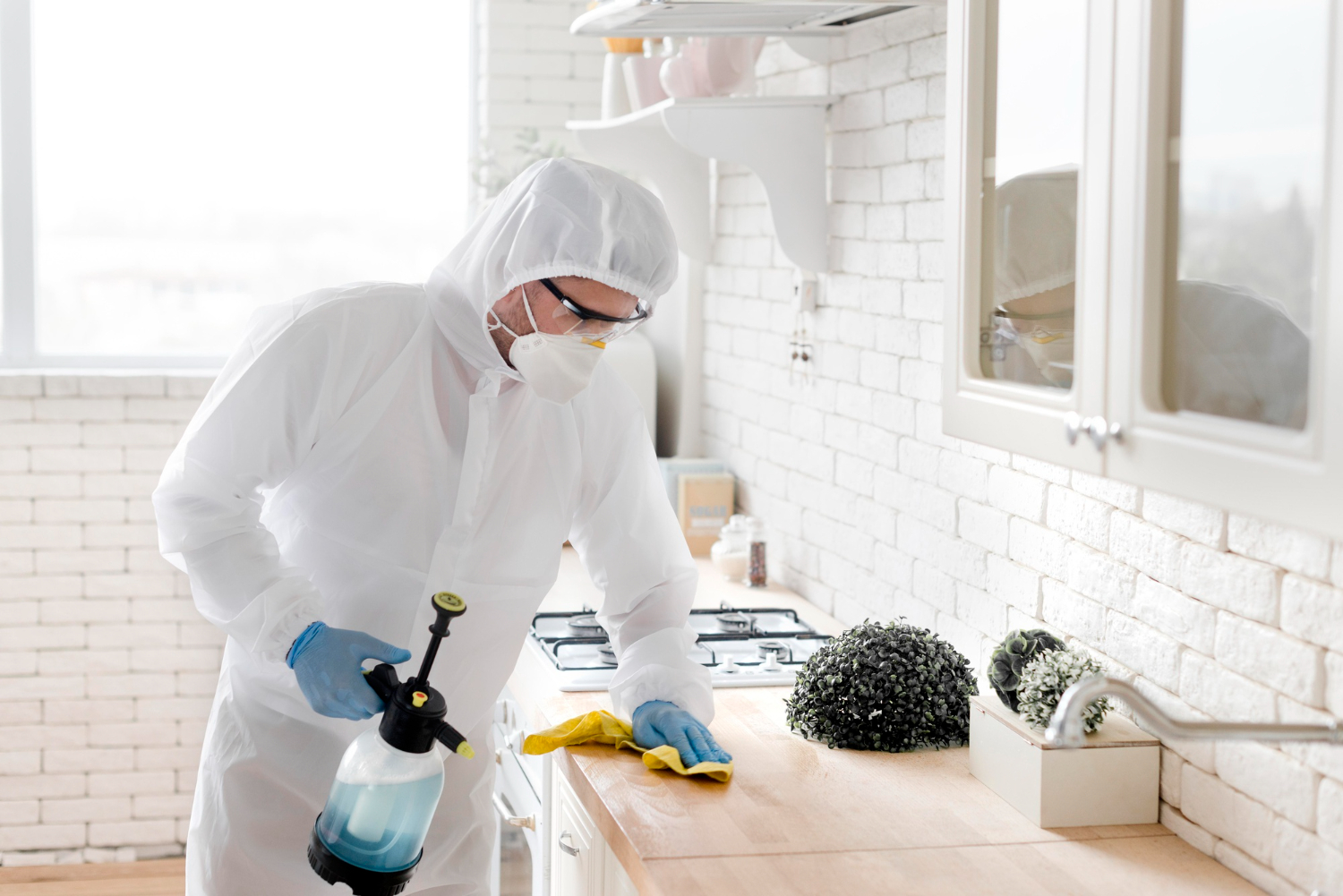
What Is Chlorine Dioxide (ClO₂)? How It Actually Removes Odors (Not Masks Them)
Chlorine dioxide (ClO₂) is a professional-grade gas used to remove odors at the molecular level. Unlike fogging or sprays, it penetrates materials like subfloors, drywall, and cabinets to break down odor compounds instead of masking them.
You walk into your home… and it smells “clean.”
It's faint Not fresh. Not terrible.
But something feels off.
Then after a few minutes… you stop noticing it.
Until the next time you leave and come back.
🚨 Here’s the truth most companies won’t tell you:
If an odor has been in a home for months or years and keeps coming back…
It’s no longer just in the air.
It’s embedded in the materials of the home.
The Real Reason Odors Keep Returning
Most persistent odors don’t sit on surfaces—they absorb into them.
Over time, smells from:
Moisture or minor leaks
Mold or microbial growth
Pet or organic contamination
Previous cleaning or deodorizing attempts
…can soak into:
Subfloors
Cabinets
Drywall
Insulation
HVAC systems
These materials then slowly release odor back into the air.
That’s why:
It’s strongest when you first walk in
It fades after a few minutes (nose blindness)
It never fully goes away
Why Fogging and “Odor Treatments” Often Fail
Many companies rely on:
Hot fogging
Ozone
Scented deodorizing sprays
These methods:
Temporarily improve the smell
Make the space feel “cleaner”
But they usually don’t remove the source.
In fact, fogging often creates a second problem:
It spreads a scented chemical (often pine or citrus-based)
That chemical settles into materials
It mixes with the original odor
Now you’re dealing with a layered odor problem—not just one source.
That’s why so many homeowners say:
“It smells better… but it always comes back.”
🧪 What Is Chlorine Dioxide (ClO₂) and Why Do Professionals Use It?
Chlorine dioxide (ClO₂) is a professional-grade oxidizing agent used in environments where odors need to be neutralized at their source—not covered up.
It’s commonly used in:
Hospitals and healthcare facilities
Water treatment systems
Disaster and biohazard remediation
Because of one key ability:
It breaks down odor at the molecular level.
How ClO₂ Actually Works
Odors are made up of microscopic compounds trapped in the air and inside materials.
ClO₂ works by:
Penetrating deep into porous surfaces
Reaching areas liquids and sprays cannot
Reacting with odor molecules
Breaking them down so they no longer produce a smell
Why It’s More Effective Than Fogging or Sprays
Unlike traditional deodorizing methods:
❌ It does not mask odor with fragrance
❌ It does not leave behind residue
❌ It does not rely on surface contact
Instead:
✅ It moves as a gas and reaches hidden areas
✅ It targets the actual source of the odor
✅ It neutralizes rather than covers
Where ClO₂ Reaches (That Other Methods Don’t)
Because it behaves as a gas during treatment, it can access:
Subfloors and floor cavities
Behind walls and inside drywall
Cabinet bases and structural wood
HVAC systems and duct pathways
These are the exact places where odors tend to hide and return from.
⚠️ Why Professional Handling Matters
ClO₂ is powerful—and that’s exactly why it works.
But it must be applied correctly.
Professional use includes:
Sealing the treatment environment
Calculating proper dosage
Using protective equipment
Ventilating and clearing the home before re-entry
Improper use can:
Damage materials
Create unsafe conditions
Lead to incomplete results
The Hidden Risk of DIY Odor Removal
It’s tempting to try:
Store-bought foggers
Ozone machines
“Professional strength” sprays
But there are real risks:
⚠️ Chemical Exposure
Many products release strong oxidizers or VOCs that:
Irritate lungs and eyes
Require evacuation
Can be unsafe if misused
⚠️ Incomplete Results
Without identifying how deep the odor goes:
You’re only treating the surface
The odor returns
⚠️ Making It Worse
Improper application can:
Push odor deeper into materials
Spread contamination
Lock in smells long-term
When a Whole-Home Treatment Is the Right Move
If:
No single source can be isolated
The odor is faint but persistent
Multiple rooms are affected
Previous treatments have failed
You’re likely dealing with:
Odor embedded throughout the home environment
In these cases, a full-home odor reset is often the correct next step.
What to Expect (Honest Answer)
A professional treatment can:
✅ Significantly reduce or eliminate odor
✅ Reset the environment of the home
✅ Reveal if deeper material issues exist
However:
If materials are heavily contaminated,
some areas may require targeted removal afterward.
❓ Frequently Asked Questions
Will the treatment leave residue on my furniture or belongings?
No—when done properly, this process does not leave behind sticky residue, film, or coatings.
Unlike traditional fogging, which deposits liquid deodorizer onto surfaces, this treatment works as a gas-based oxidizing process, interacting with odor at a molecular level rather than coating materials.
We also:
Assess sensitive items beforehand
Note anything that may require protection
Handle prep as part of the service
Is it safe for my pets and family?
During treatment, the home must be fully vacated, including:
People
Pets
Plants
After treatment:
The home is ventilated
Conditions are returned to safe levels
✅ Once cleared, it is safe for your family and pets to return
Will it damage anything in my home?
When applied correctly, the process is safe for most materials.
However, because it is a professional-grade oxidizing treatment, we take precautions with:
Sensitive electronics
Certain metals
Specialty finishes
If anything needs to be:
Covered
Moved
Protected
We identify and handle that during setup.
Do I need to cover or remove items before treatment?
In most cases:
❌ No, you don’t need to cover everything
We will advise if anything specific should be:
Removed
Protected
Excessive covering can actually reduce effectiveness, since the goal is to treat the entire environment.
Why not just use a fogger or store-bought solution?
Fogging and DIY products:
Add chemicals to the air
Often leave residue
Don’t fully eliminate embedded odor
That’s why odors often return after these treatments.
Our process focuses on:
Breaking down odor molecules
Reaching deeper into materials
Providing a more complete solution
How do I know if this will actually work?
We’re always upfront.
If a strong, localized source exists, it may require removal.
However, in many cases:
Especially when odor is faint and widespread
A full-home treatment is the correct first step
We focus on solving the problem—not just selling a service.
The Bottom Line
If you’ve already tried:
Cleaning
Sprays
Fogging
Ozone
…and the odor keeps coming back…
You’re not dealing with a surface issue anymore.
You’re dealing with:
Odor embedded in the structure of the home
✅ Get a Real Answer (Not Another Temporary Fix)
At HazWash, we take a diagnostic-first approach.
We don’t guess.
We don’t mask.
We don’t sell treatments that don’t make sense.
We:
Identify whether a true source exists
Determine how deep the issue goes
Recommend the correct next step—even if it’s not the easiest one
👉 Request your walkthrough or assessment today
Because the longer an odor sits…
the deeper it sets—and the harder it becomes to remove.