Can Leftover Medical Waste Make You Sick at Home?New Blog Post
Leftover medical waste is easy to overlook when you're focused on caring for someone at home. After a medical event or illness, used items can pile up quickly, things like gloves, gauze, adult diapers, or even syringes. These materials might look harmless once tossed aside, but they can carry risks if not handled the right way.
This kind of waste doesn’t go away just because it’s out of sight. When human waste, blood, or bodily fluids are left behind, your home could turn into an unhealthy place for everyone living there. That’s one of the reasons biohazard cleanup is a smart step when dealing with serious illness or post-care situations. It's not just about looking clean, it's about being safe, too. At Hazwash LLC, biohazard jobs are handled by IICRC certified trauma and odor control technicians with OSHA HAZWOPER 40 and Bloodborne Pathogens training who work with EPA registered, hospital grade disinfectants.
What Counts as Medical Waste in a Home
We tend to think of “medical waste” as something found in hospitals or clinics, but that's not always the case. Homes, especially ones that have seen recent home care or recovery, can end up with similar types of waste without anyone noticing at first.
Here are a few examples of what might count as medical waste in a house:
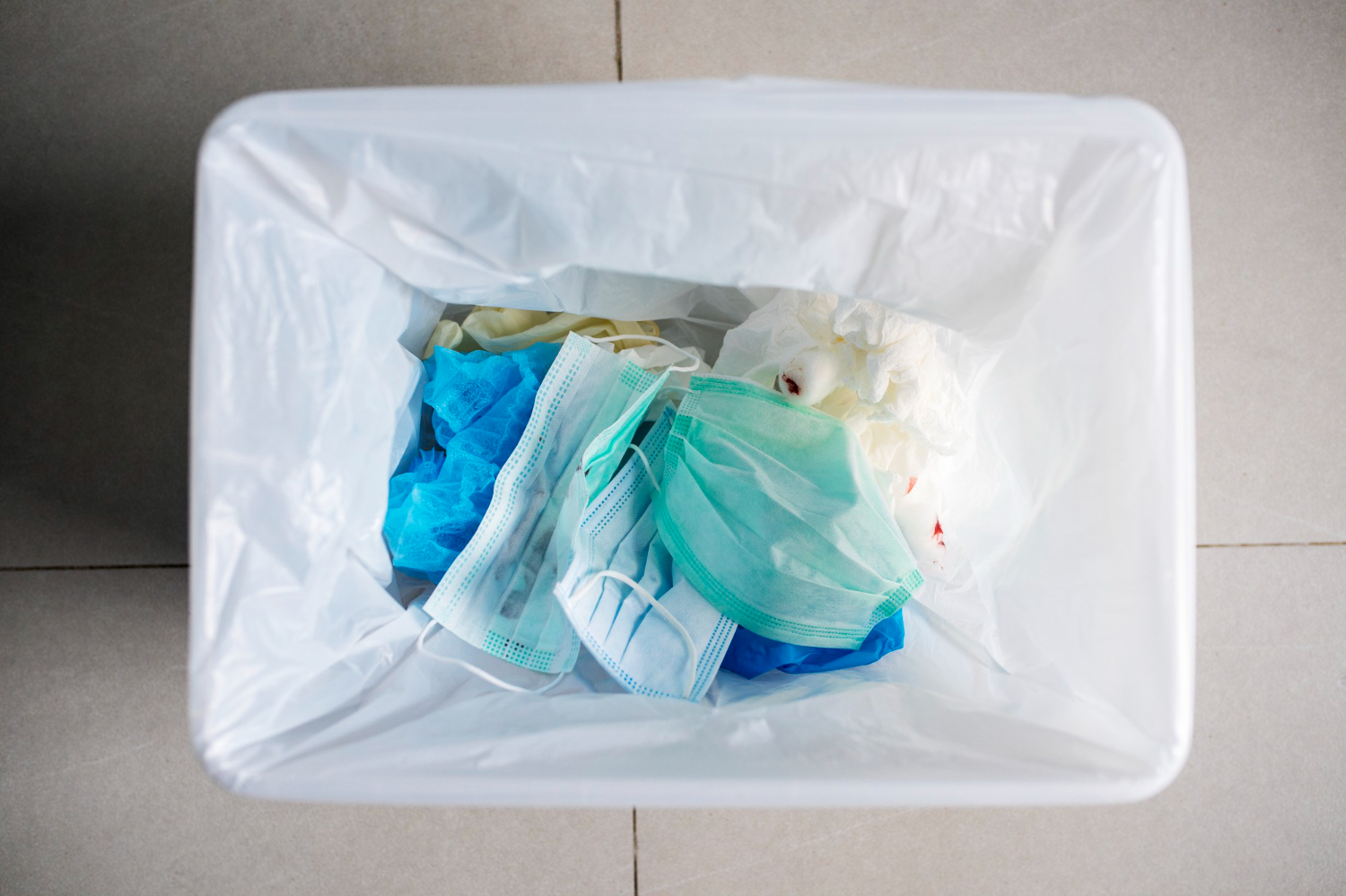
Used gloves, wound dressings, and face masks
Needles or lancets stored in household trash
Soiled adult diapers or incontinence pads
Bloodied fabrics from bandages or bedding
Medication packaging or tubes of creams
This type of waste can collect in laundry baskets, bathroom corners, or under the bed. Sometimes it ends up bagged loosely in the trash, where it can leak or break open. If someone in the home has an infection or contagious illness, that waste becomes more than just unpleasant, it can spread unwanted bacteria or even make others sick if touched or breathed in.
How Leftover Waste Affects Air and Surfaces
When waste is left behind, most of the damage doesn’t come from what we can see. The real issue is what lingers in the air and settles into fabrics or hard-to-clean areas. Odors are noticeable, but the real threat comes from what those smells mean. Bacteria, mold, and harmful particles often stay long after the visible mess is removed.
Soft surfaces like couches, rugs, and mattresses soak up odors and are tough to deodorize completely. Disinfecting the surface isn't always enough if what's hiding underneath hasn’t been removed. Hard surfaces like floors or walls can absorb spills too, especially if they’ve gone unnoticed for a while.
In colder months, like early March, homes in places like Metro Detroit don’t get much fresh air. Windows stay shut, and the heat stays on. That traps odors and germs inside, letting them spread slowly into other parts of the house. Hallways, heating vents, and shared bathrooms often carry that smell into every corner.
Why Hoarding Can Make the Problem Worse
Now add hoarding to the mix, and things become more dangerous. When a house is filled with piles of items, paper stacks, or boxes, leftover waste has hundreds of places to hide. A bloody gauze pad can fall between furniture. Used gloves can be buried under clutter and go unnoticed for weeks.
These forgotten spots aren’t just messy, they create real health risks. When waste spills, leaks, or dries out into dust, harmful particles spread through the air. That makes breathing harder and increases the chance of illness. Mold and bacteria thrive in dark, still areas where airflow is blocked.
For people walking into that space, whether it's a family member or emergency crew, it’s easy to trip on hidden objects or touch something contaminated. In some cases, the full scale of medical waste is only discovered when professionals start removing layers of hoarded items.
The Role of Biohazard Cleanup
When all of this builds up, cleaning it isn’t just a chore, it’s a job with real safety steps involved. That’s where biohazard cleanup really matters. It’s not just about bagging garbage. Trained crews use protective gear to handle medical waste safely and limit its spread throughout the home.
A lot of care goes into making sure the contaminated areas are truly clean. Think about it this way. If someone was recently sick, waste and fluids may have splashed onto walls, carpet, or into drains. You can’t always see what was touched, but it’s still there.
Biohazard cleanup isn’t rushed. The process usually includes:
Removing contaminated items like carpets, bedding, or gauze
Cleaning and disinfecting hard surfaces and hidden corners
Using odor control methods to clear the air
Disposing of harmful waste safely and lawfully
This kind of support makes the space healthy again, not just cleaner to the eye. It lowers the chance of anyone else getting sick by treating every surface, crack, and soft item with the seriousness it deserves. Hazwash LLC is registered with U.S. DOT and Michigan EGLE to package and transport medical and biological waste, so once that material leaves your property, the legal responsibility moves with it.
Safe Again: Why It Matters to Do the Job Right
When a home has been exposed to medical waste, it deserves more than a quick wipe-down or a scented spray. Fully clearing out whatever got left behind helps protect anyone who sleeps, cooks, or breathes in that space.
Once removal is properly done, families can feel more relaxed knowing they’re not stepping into hidden danger. The air smells better. The floors feel safe. The peace of mind that comes from knowing the home is clean, really clean, makes a big difference for everyone who lives there.
At Hazwash LLC, we understand how unsettling it can be to have leftover waste or strong odors lingering in your home after a medical event. When it comes to health and safety, cleanup is not something to rush or ignore. Our trained crews follow careful steps during every biohazard cleanup to ensure your space feels clean, clear, and livable again, whether the waste is hidden under clutter or tucked away from view. When your home needs a proper reset, contact us today.