How Spring Rain Turns Leaky Basements Into Hazards
In Metro Detroit, spring does not just bring longer days and blooming trees. The season also brings heavy rainfalls that can quickly overwhelm older homes, especially in areas with poor drainage. When water leaks into basements, it does not arrive alone. It often picks up trash, bacteria, and sometimes even human waste along the way. What starts as pooled water can quickly turn into something more dangerous.
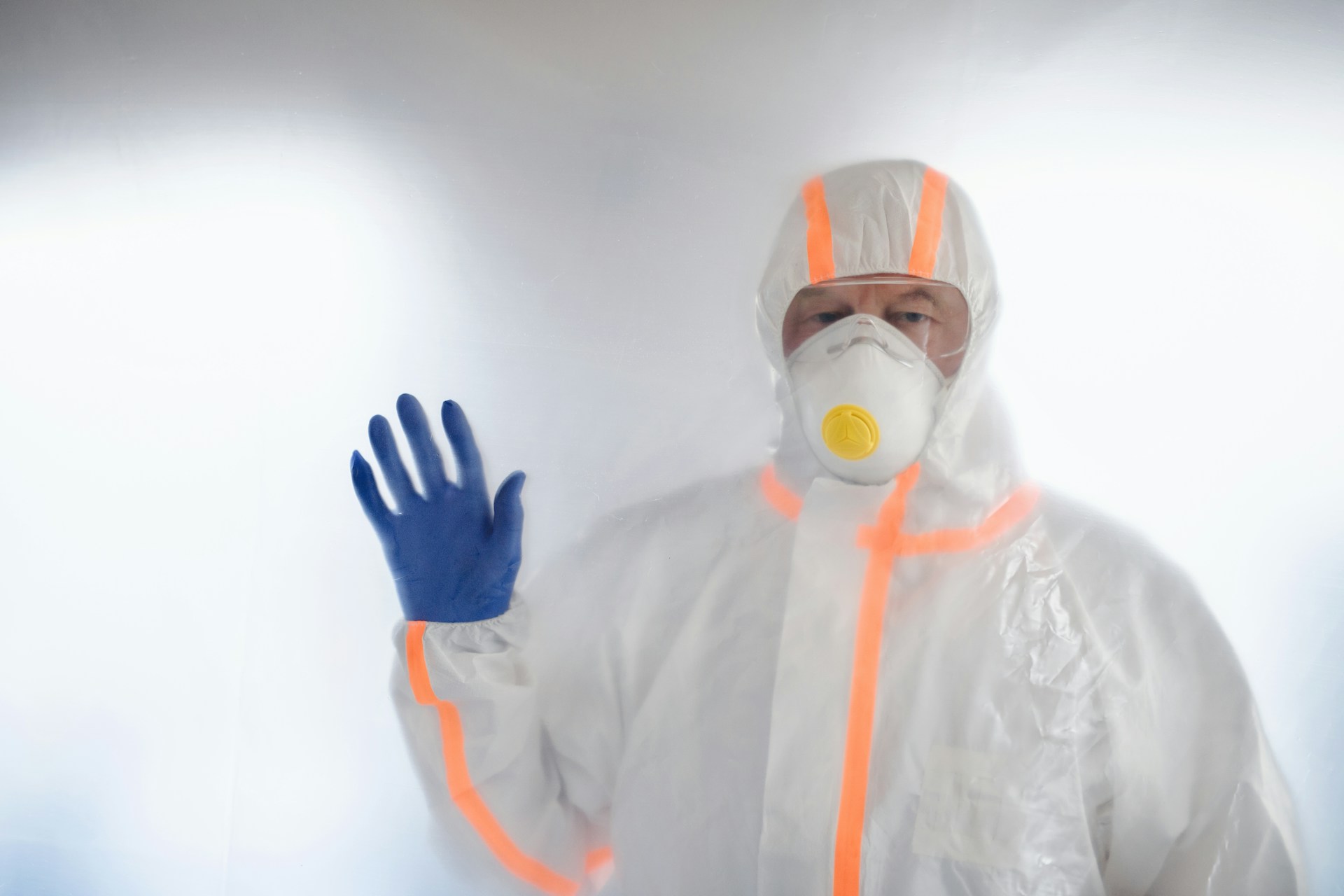
This is where biohazard cleanup becomes necessary. If that basement was not clean to begin with, or has hidden waste or clutter, those flood waters can stir up more than just mud. Now the basement may be soaked with unsafe materials that can spread smells, sickness, or long-term damage without warning.
Why Rainy Season Makes Basement Conditions Worse
Rainwater can seem harmless, but once it gets inside and mixes with what has been sitting there, the problems grow fast. Wet clutter, soaked drywall, and waterlogged trash all create the right conditions for harmful things to grow or spread.
Here is how basement conditions can quickly take a turn after spring rains:
Too much moisture in dark areas creates the perfect place for mold to grow fast
Human waste, animal droppings, or old garbage get pulled into the water and moved around
Damp piles of clothes, paper, or food waste can trap bacteria and smell worse as the basement dries out
This is not just musty-smelling water. It is a mix of stuff that is hard to clean and even harder to live with. If any plumbing or drains back up during a storm, that waste can make the problem worse in just a few hours.
Common Hazards Found in Wet Basements
Every basement looks different, but when flooding meets mess, some issues show up over and over. We have seen them in older homes, hoarded spaces, and properties that simply do not get regular attention.
Some common hazards that show up when basements flood include:
Human urine and feces, especially in homes with hoarding history, broken plumbing, or buckets used in place of toilets
Animal waste from pets, rodents, or nesting animals that lived in corners or crawl spaces
Contaminated stuff like old furniture, fabric, or stored boxes that cannot be saved once wet
These are not just unpleasant. Many of these carry bacteria that move through the air or spread by touch. A space like that is not safe to enter without protection. Once mixed into the basement water, these hazards become harder to see and even harder to stop.
Why Surface Cleaning Is Not Enough
Seeing the water dry out can give the false impression that everything is fine. But many of the biggest risks hide in places that bleach and paper towels do not get to.
Here are a few reasons basic cleaning efforts usually fall short:
Water soaks past the surface and brings waste into the floorboards, insulation, or wall supports
Home-grade cleaners cannot fully break down human waste or bacteria hiding in soaked materials
Moving items during cleanup without protection can release smells, spread contamination, or push harmful waste into the air
Once something like urine or feces dries into wood or carpet, it does not just go away. It stays there until it is fully removed or professionally treated. Without the right tools and safety steps, it is easy to make things worse by pushing waste deeper or spreading it into the rest of the house.
What a Professional Biohazard Cleanup Team Does
When cleanup goes beyond wet floors, the next step is looking for what cannot be seen. The cleanup process is not just about drying a space. It is about removing everything that poses a health risk and can lead to major problems later.
So what does the process typically involve?
First, we look for contaminated materials using safety checks and guidelines
Then we carefully remove soaked, damaged, or unsafe items from the space
After that, we clean and treat those areas using odor control and moisture equipment to get rid of anything left behind
Biohazard cleanup is not about throwing things away. It is about knowing what can harm people, how to stay safe during removal, and how to return a space to breathable, livable conditions. It takes time and know-how to handle this work properly.
When to Call for Help During Detroit’s Spring Flood Season
Not every leak becomes a full-blown contamination issue, but sometimes the warning signs get missed until something smells strange or makes people feel sick.
You may need help on-site if you notice warning signs like these:
Heavy odors you cannot scrub away, pointing to waste or bacteria left behind
Flooded spaces with damaged drainage or old plumbing problems that keep water and waste returning
Heating temperatures in late spring that make the smell worse and speed up harmful growth
In Metro Detroit, the time between March and late May brings warm weather, which makes basements feel stuffy and damp. If the space was already cluttered, even a small leak during this season can grow into a serious biohazard problem by the time hot days arrive.
A Clean Basement Starts With Acting Early
Once storms begin and water makes its way indoors, basement problems grow fast. In just a few weeks, cluttered or messy basements go from annoying to unsafe. The longer waste-filled water sits trapped in items or materials, the more likely it is to attract mold, grow dangerous bacteria, and spread a strong odor through the home.
By paying attention early in the rainy season, cleanup stays manageable and prevents problems from spreading to other areas. Whether it is hoarding-related items, human waste, or hidden animal mess, knowing what is under the surface makes all the difference when the next storm hits. Taking time now can save months of cleanup later.
At Hazwash LLC, we understand how overwhelming it can feel when spring storms leave your basement soaked and unsafe. When water mixes with human waste or old clutter it becomes not just dirty but dangerous. That is why we take every step seriously when handling any kind of biohazard cleanup especially in homes impacted by waste or hoarding. We approach each job with care and caution to help restore safer, cleaner spaces, and if your basement smells off or seems too far gone to handle alone, please contact us.